
As the sun rises over Singapore, a city known for its vibrant blend of cultures, locals and expats alike begin their day with a variety of wellness practices. In the serene parks, you might see groups practicing Tai Chi, a traditional Chinese martial art known for its meditative movements. Nearby, others partake in yoga sessions, drawing from Indian traditions that emphasize the connection between body and spirit. This picturesque morning scene encapsulates the essence of Singapore’s wellness culture—a melting pot of diverse traditions that blend seamlessly into the modern lifestyle. But how do these cultural influences shape the wellness practices we see today in Singapore?
The Melting Pot of Wellness Traditions in Singapore
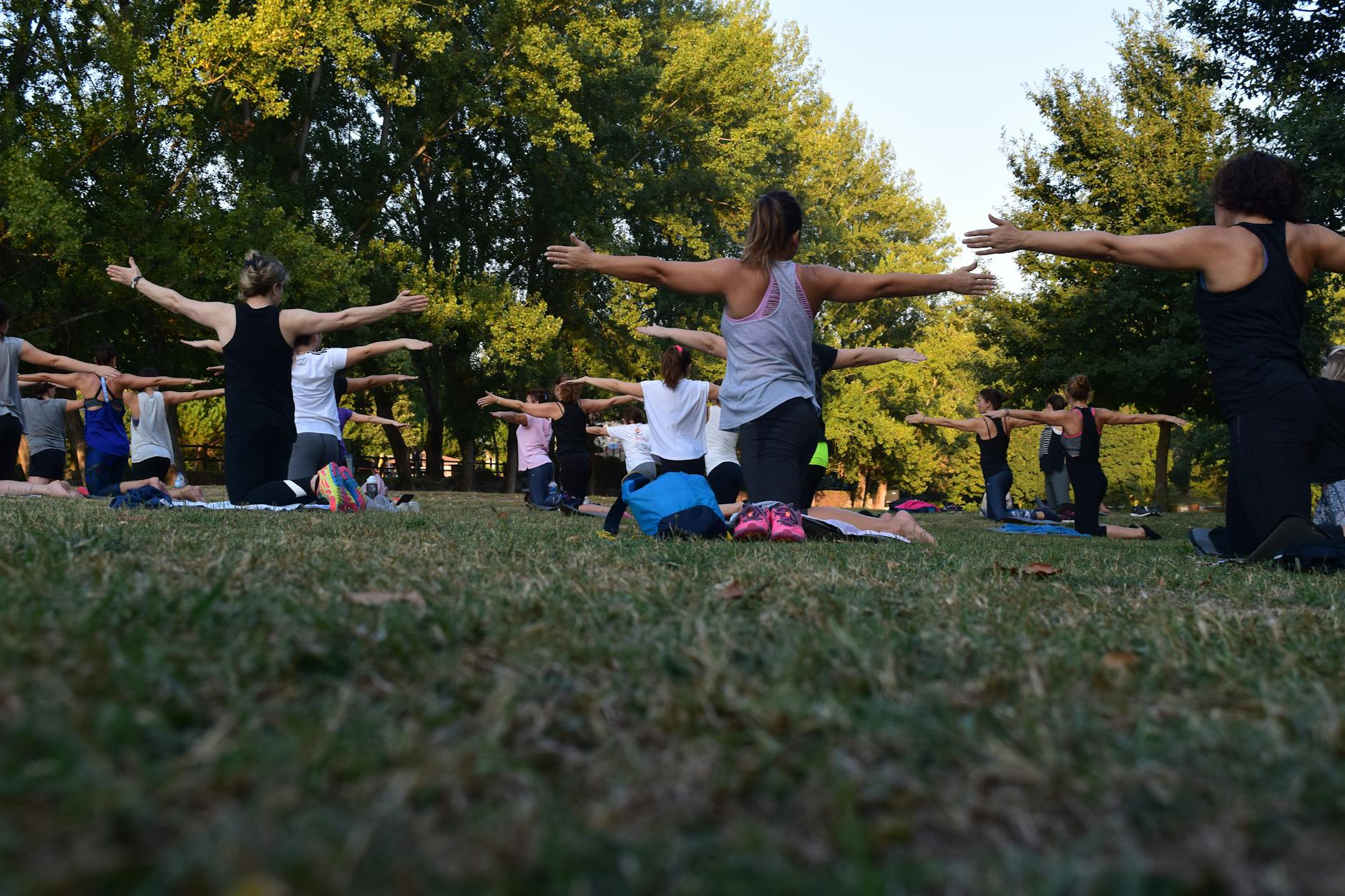
Singapore’s unique position as a multicultural society is mirrored in its diverse wellness practices. The city-state’s rich history, shaped by Chinese, Malay, Indian, and Western influences, has contributed to a vibrant wellness scene. Traditional practices from each culture have found their place in the daily lives of Singaporeans, creating a holistic wellness landscape. Chinese Traditional Medicine (TCM), Malay Jamu, Indian Ayurveda, and Western fitness trends coexist, offering a range of wellness options.
Historical influences are evident in the way these practices have been adapted and integrated into modern lifestyles. Cultural festivals often feature wellness-related rituals, such as the Qigong exercises performed during Chinese New Year celebrations or the Ayurvedic cleansing rituals observed during Deepavali. These practices highlight the importance of cultural heritage in shaping modern wellness habits.
Examples of traditional wellness practices include the use of herbal remedies in TCM, the holistic approaches in Malay Jamu, and the balance-centric principles of Ayurveda. Western fitness trends have also found their place, with gyms, Pilates, and CrossFit studios becoming popular. This fusion of cultural practices creates a dynamic wellness scene that caters to diverse needs and preferences.
As we delve deeper into these cultural traditions, we can see how they have been modernized and integrated into Singapore’s wellness centers, such as the SoChill Bath Club. By examining specific practices, we gain insights into the unique blend of tradition and innovation that defines Singapore’s wellness culture.
Traditional Chinese Medicine (TCM) and Modern Adaptations
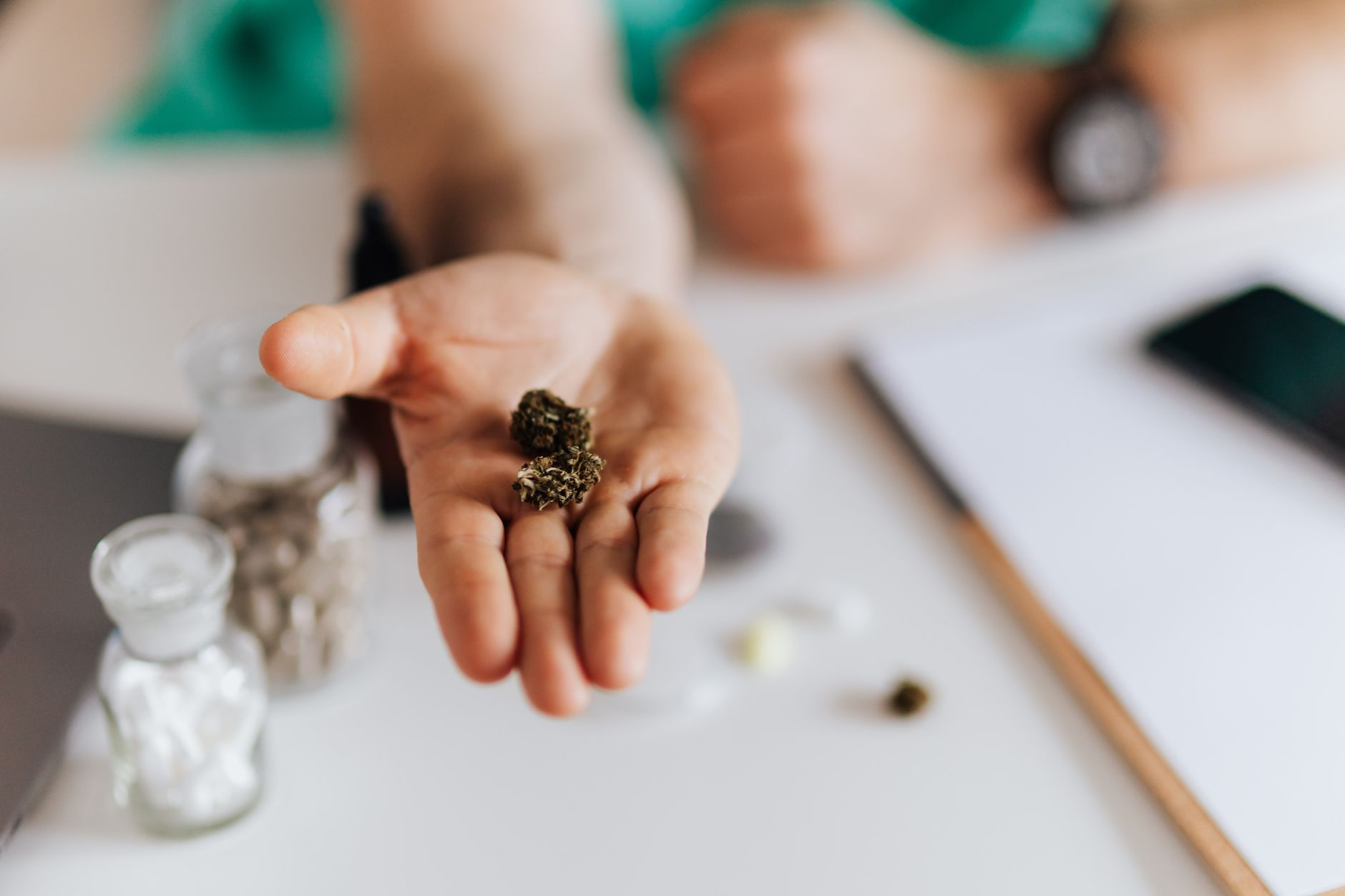
Traditional Chinese Medicine (TCM) has long been a cornerstone of Singapore’s wellness landscape. With roots dating back thousands of years, TCM is based on the principles of balance and harmony within the body. Key practices include acupuncture, herbal remedies, and Tai Chi, all of which aim to restore the body’s natural equilibrium.
In Singapore, TCM has evolved to meet the needs of modern wellness enthusiasts. Wellness centers like SoChill Bath Club incorporate elements of TCM into their offerings, such as herbal infusions in their recovery drinks and Tai Chi-inspired stretching routines. These adaptations make TCM accessible and relevant to today’s health-conscious population.
Studies have shown the effectiveness of TCM practices in stress relief and recovery, highlighting their relevance in contemporary wellness routines. Acupuncture, for example, is known to stimulate the body’s natural healing processes and reduce stress by affecting vagal tone. Similarly, herbal remedies are used to enhance immune function and promote overall well-being.
The ongoing popularity of TCM in Singapore underscores the importance of cultural heritage in shaping wellness practices. As we transition to Indian wellness traditions, we see another layer of cultural influence that enriches Singapore’s wellness scene.
Indian Ayurveda and Yoga: Ancient Practices in a Modern City
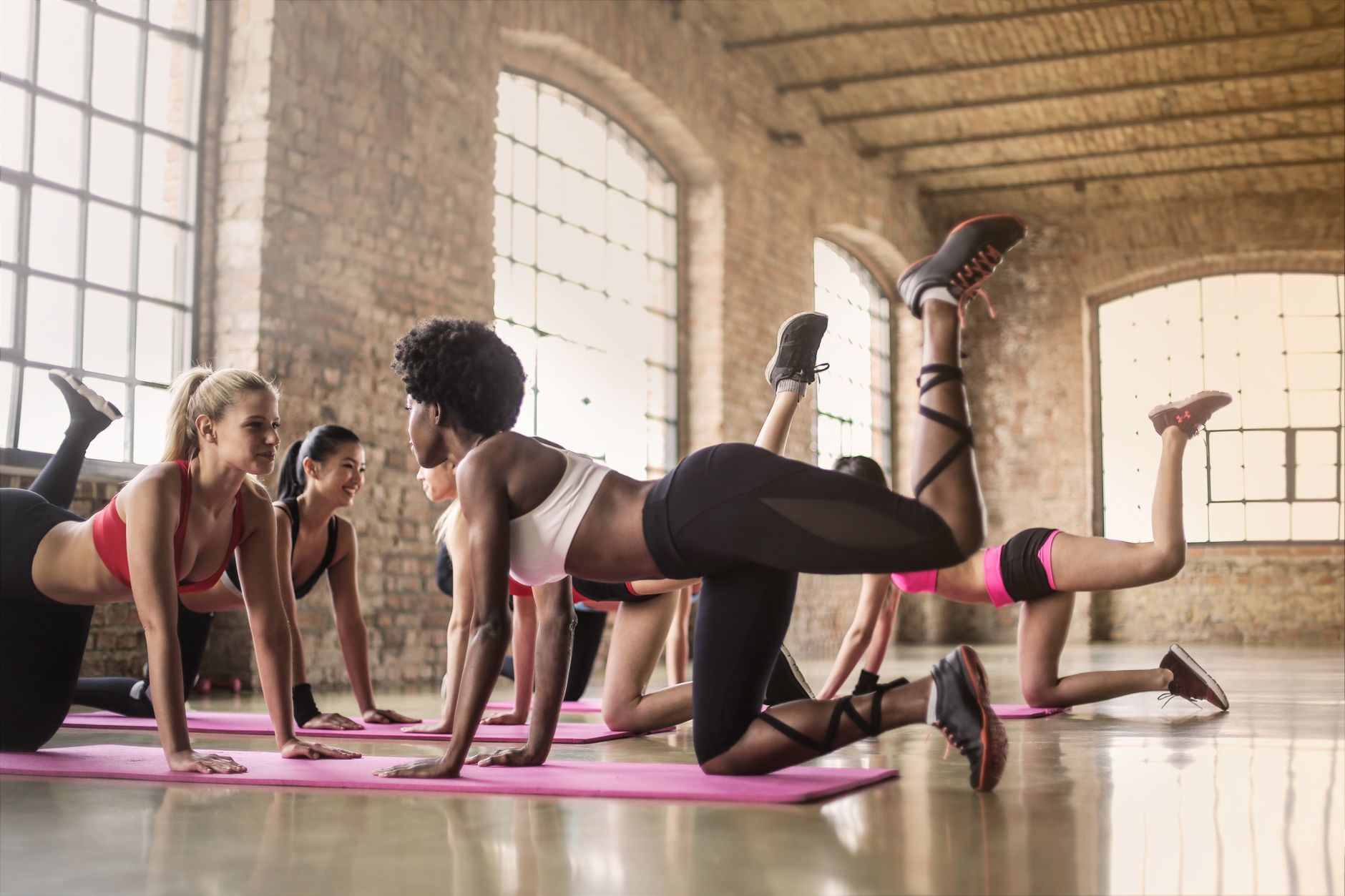
Ayurveda, the ancient Indian system of medicine, emphasizes the balance of body, mind, and spirit. This holistic approach to wellness has found a home in Singapore, where it is integrated into spa treatments and wellness diets. The principles of Ayurveda, which focus on maintaining harmony and preventing disease, resonate with those seeking a comprehensive approach to health.
The rise of yoga studios and wellness retreats in Singapore further exemplifies the influence of Indian wellness traditions. Yoga, with its focus on mindfulness and physical well-being, has become a popular practice among Singaporeans. Local yoga events, such as the annual Yoga Day celebrations, highlight the cultural significance of this ancient practice.
Incorporating Ayurveda into modern wellness routines involves the use of herbal treatments, dietary adjustments, and lifestyle changes. These practices are designed to enhance vitality and promote longevity, appealing to those seeking a natural approach to health and wellness.
As we explore Malay wellness practices, we uncover another dimension of Singapore’s rich cultural tapestry, where traditional healing methods continue to thrive in contemporary settings.
Malay Jamu and the Art of Natural Healing
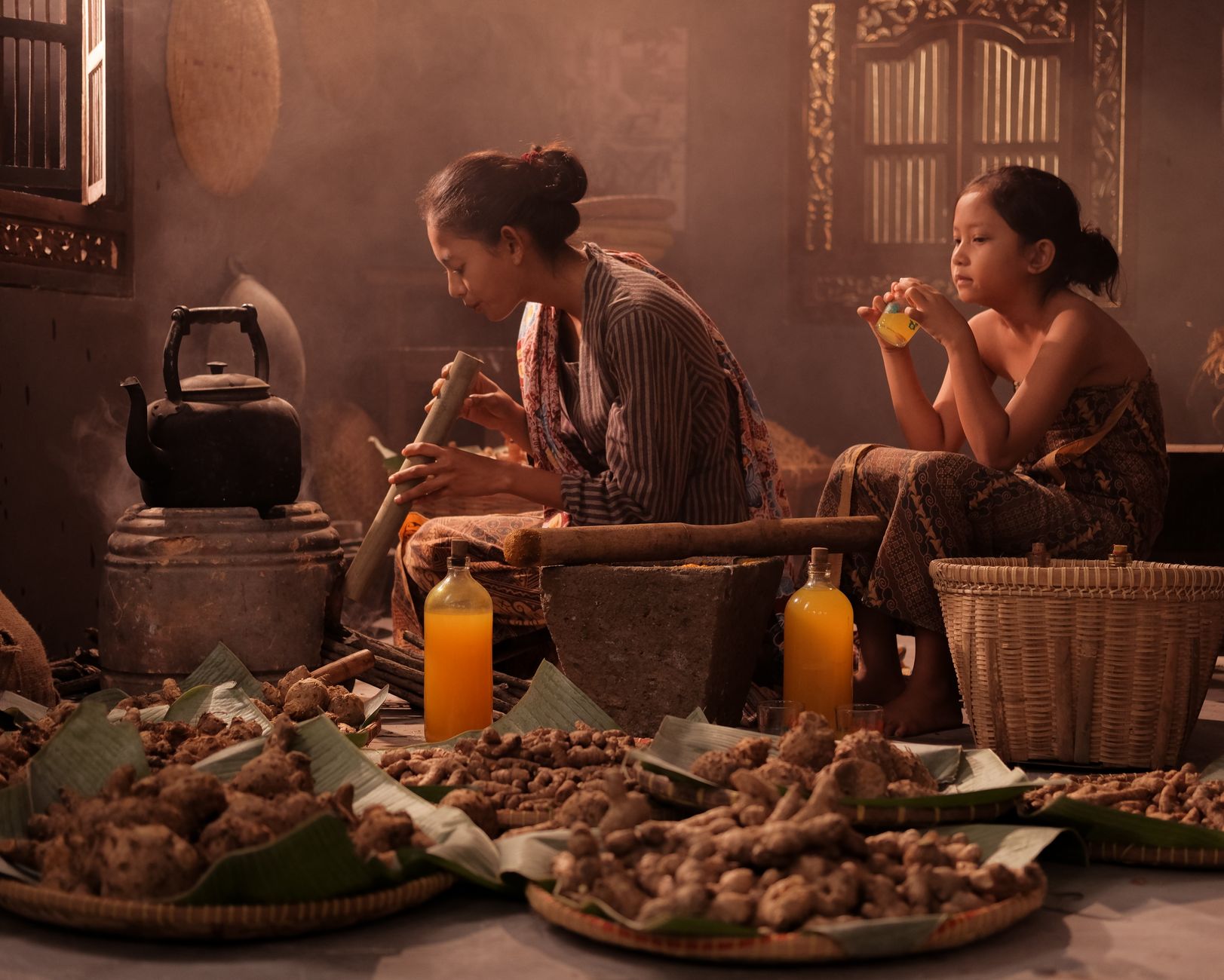
Jamu, a traditional Malay herbal medicine, plays a vital role in Singapore’s wellness scene. This ancient practice involves the use of natural ingredients, such as turmeric and ginger, to create remedies that promote health and vitality. Jamu is deeply rooted in Malay culture and is known for its preventive and curative properties.
Common Jamu ingredients, like tamarind and lemongrass, are prized for their health benefits, including anti-inflammatory and immune-boosting effects. These natural remedies are often consumed as drinks or incorporated into meals, reflecting the holistic approach to health that is central to Jamu.
In recent years, modern Jamu cafes have emerged in Singapore, offering a contemporary twist on traditional remedies. These cafes cater to health-conscious individuals seeking natural alternatives to conventional medicine, showcasing the enduring appeal of Jamu in urban wellness routines.
The integration of Jamu into Singapore’s wellness culture highlights the importance of preserving traditional practices while adapting them to suit modern lifestyles. As we examine Western influences on Singapore’s wellness scene, we see how these diverse traditions come together to create a comprehensive wellness experience.
Western Influence: Fitness, Spa Culture, and Innovation
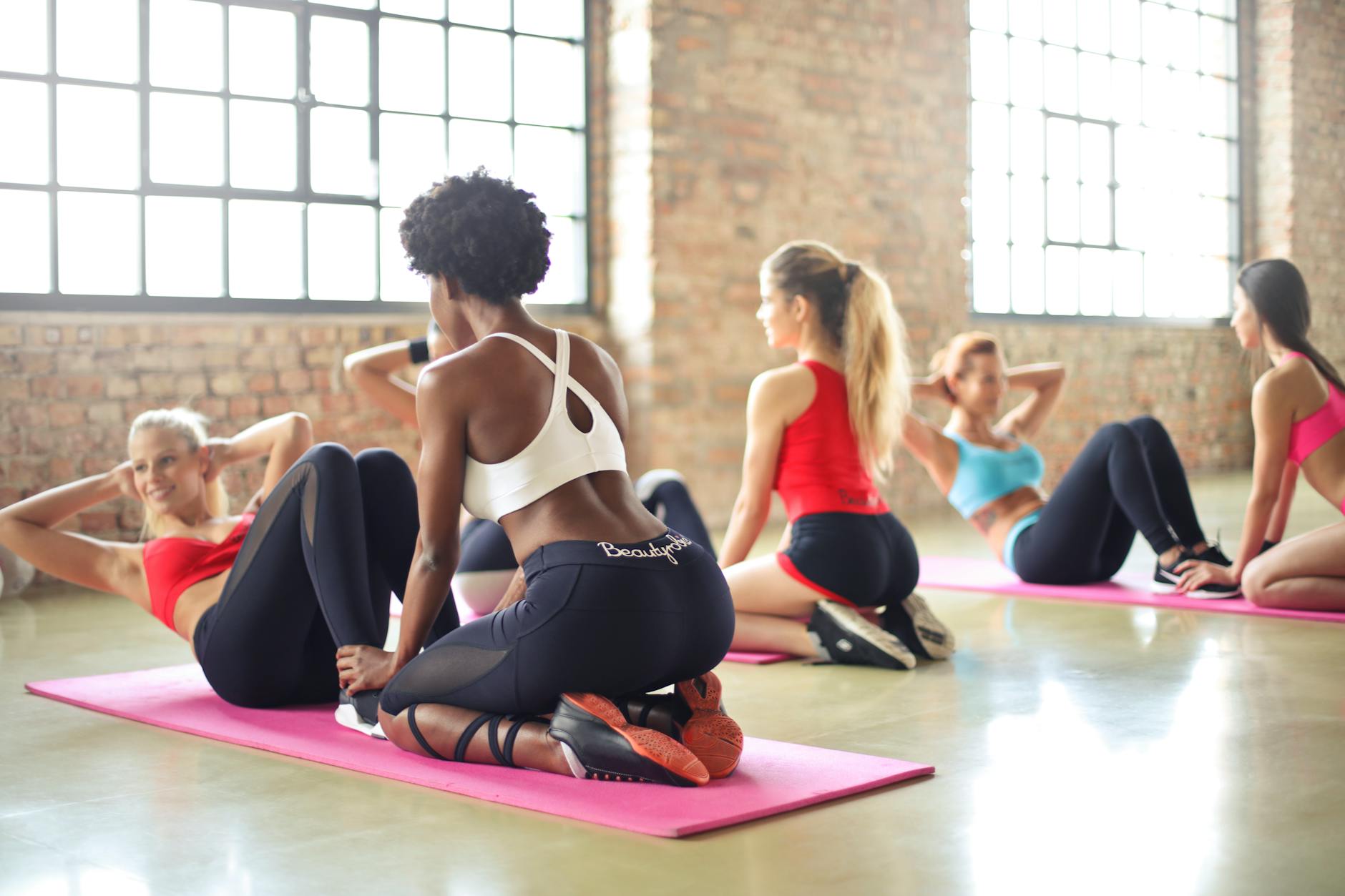
The Western influence on Singapore’s wellness scene is evident in the proliferation of gyms, Pilates studios, and CrossFit boxes. These fitness trends, which emphasize physical strength and conditioning, have become integral to the city’s wellness culture. They offer a structured approach to fitness that complements traditional practices.
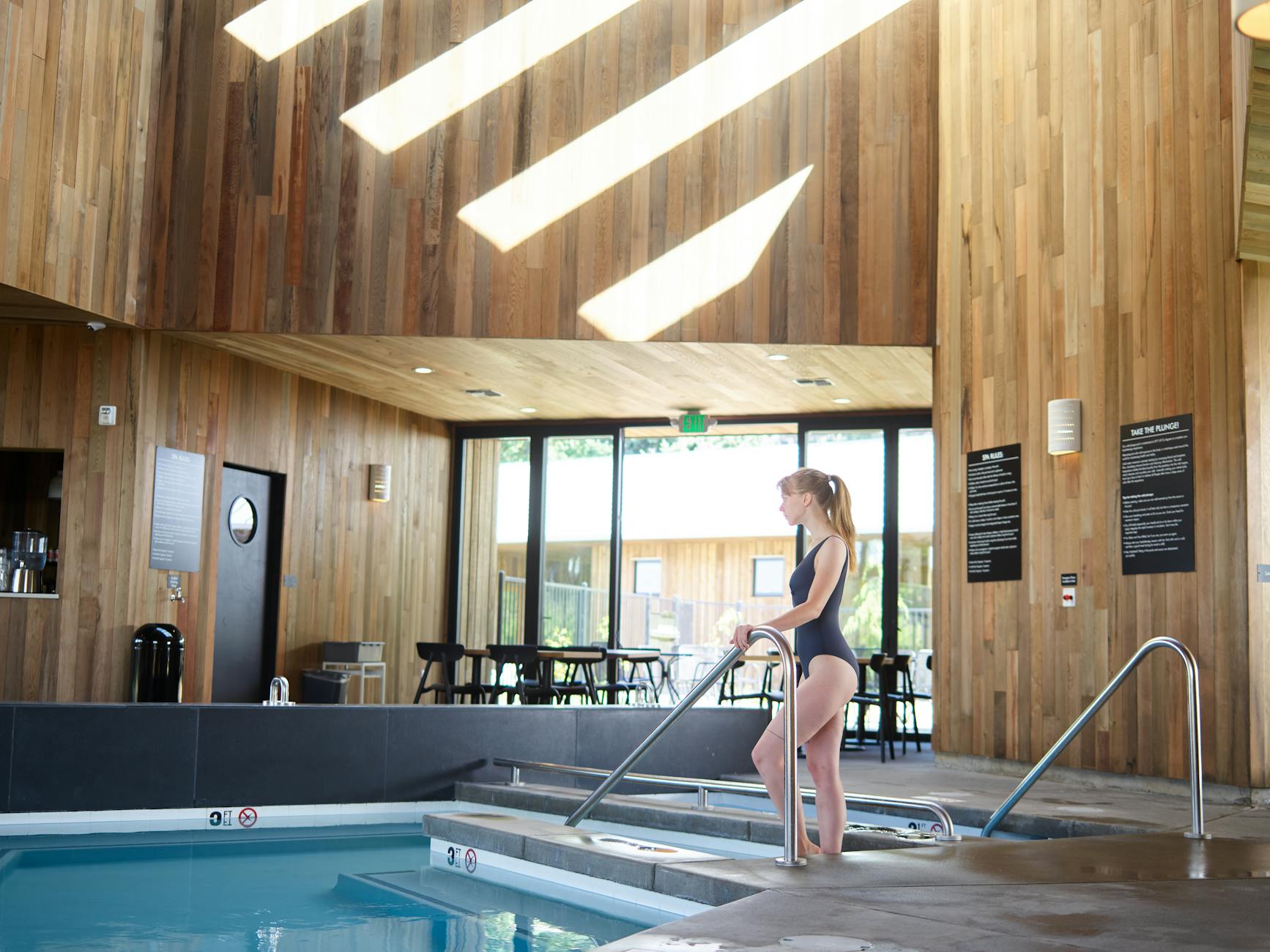
Spa culture has also gained popularity in Singapore, with premium wellness clubs like SoChill Bath Club leading the way. These establishments offer a range of services, from Finnish saunas to hot magnesium baths, providing a luxurious escape from the stresses of daily life. The emphasis on relaxation and recovery aligns with Western wellness philosophies.
Innovations in wellness technology, such as digital wellness apps and wearable fitness trackers, have further enhanced Singapore’s wellness landscape. These tools provide personalized insights and support, empowering individuals to take control of their health and well-being.
Western wellness practices have been adapted to suit Singapore’s tropical climate and urban lifestyle. For instance, outdoor fitness classes take advantage of the city’s green spaces, while spa treatments are designed to provide respite from the heat and humidity. This adaptability ensures that Western practices complement the diverse wellness traditions in Singapore.
Conclusion: Embracing a Diverse Wellness Culture
Singapore’s wellness practices represent a unique blend of cultural traditions and modern trends. This convergence creates a diverse and holistic wellness landscape that caters to various needs and preferences. Understanding these cultural influences enhances appreciation and participation in Singapore’s wellness scene, offering both locals and expats a rich array of wellness options.
Local neighborhoods like Queenstown and Holland Village have emerged as wellness hubs, showcasing the city’s commitment to health and well-being. Events and festivals further reflect Singapore’s cultural diversity, providing opportunities for individuals to engage with different wellness traditions.
The SoChill Bath Club exemplifies the blend of traditional and modern wellness practices, offering unique amenities like the Finnish sauna and hot magnesium bath. By encouraging visitors to walk in and explore, SoChill fosters a community-oriented atmosphere that is welcoming and inclusive.
For those interested in experiencing Singapore’s wellness culture, a visit to SoChill Bath Club is a must. Here, you can immerse yourself in a world of relaxation and recovery, experiencing the best of both traditional and contemporary wellness practices.
As you explore Singapore’s wellness scene, consider the cultural influences that have shaped it. By embracing this diversity, you’ll gain a deeper understanding of how wellness practices can enrich your life, offering a path to balance, vitality, and well-being in the heart of Singapore.