
Imagine stepping into a pool of icy water — a thought that makes many shiver. Yet, cold therapy has gained a reputation for its invigorating benefits. But are these claims backed by science, or are they just myths? So, is cold therapy just a chilling experience, or does it offer real health benefits? Let's dive into the common misconceptions about cold therapy and uncover the truth.
Understanding Cold Therapy

Cold therapy, often referred to as cryotherapy, involves exposing the body to cold temperatures for therapeutic purposes. This practice has its roots in ancient cultures, notably in Finnish saunas, where alternating between hot and cold environments is a tradition. The idea is to harness the power of temperature extremes to promote health and well-being.
Traditionally, cold therapy was used to reduce inflammation and enhance recovery. In modern times, it has gained popularity in wellness circles for its potential to boost circulation, improve mood, and aid in post-exercise recovery. Despite its ancient origins, recent scientific interest has brought cold therapy into the spotlight, with facilities like SoChill Bath Club in Singapore offering comprehensive cold and heat therapy experiences.
Cold therapy encompasses various methods, including ice baths, cold showers, and cryotherapy chambers. These approaches differ in intensity and duration, but all aim to provide similar benefits. It's a practice that has transcended cultural boundaries to become a staple in wellness regimens globally.
With this foundation, let's explore some of the myths surrounding this age-old practice.
Myth 1: Cold Therapy Only Benefits Athletes

A common misconception is that cold therapy is reserved solely for athletes. While it is true that athletes have long used ice baths to speed up recovery and reduce muscle soreness, the benefits of cold therapy extend far beyond the athletic community. In fact, cold therapy offers a range of advantages for non-athletes as well.
Cold therapy can improve mental clarity, reduce stress, and aid in hormonal balance. Research has shown that regular exposure to cold can elevate mood and enhance immune function. These benefits make cold therapy an attractive option for health-conscious individuals in Singapore who are seeking holistic well-being.
Studies have demonstrated that cold exposure can increase the production of norepinephrine, a hormone and neurotransmitter that plays a role in focus and attention. This can lead to improved cognitive function and a greater sense of alertness — benefits that are valuable to busy professionals and anyone seeking a mental boost.
While athletes certainly benefit, let's address another common myth.
Myth 2: Ice Baths Are Dangerous for Everyone

There's a prevalent fear that ice baths and cold therapy are inherently dangerous and should be avoided by everyone. While caution is necessary, especially for individuals with certain health conditions, controlled cold exposure is generally safe when practiced correctly.
It's important to note that individuals with cardiovascular issues or certain medical conditions should consult with a healthcare provider before trying cold therapy. However, for the majority of people, cold therapy is safe and can be a beneficial addition to their wellness routine.
At SoChill Bath Club, safety protocols are in place to ensure a comfortable and secure experience. Staff are trained to guide newcomers through the process, ensuring that each session is tailored to individual tolerance levels. This attention to safety helps debunk the myth that cold therapy is universally dangerous.
Safety is crucial, but what about the myth that cold therapy is unbearable?
Myth 3: Cold Therapy Is Too Uncomfortable to Be Beneficial

Many people are deterred from trying cold therapy due to the perceived discomfort of submerging themselves in icy water. While the initial shock can be intense, regular exposure helps the body adapt, reducing discomfort over time.
Testimonials from SoChill members reveal that initial hesitations often give way to enjoyment as individuals acclimate to the sensation. The physiological adaptations that occur with consistent practice include improved circulation and increased resilience to cold, making the experience more manageable.
In essence, the discomfort is temporary and can be mitigated with gradual exposure and a supportive environment. Over time, the body becomes more efficient at regulating temperature, allowing individuals to reap the benefits without undue distress.
Comfort aside, let's look at the effectiveness of cold therapy.
Myth 4: Cold Therapy Offers No Real Health Benefits
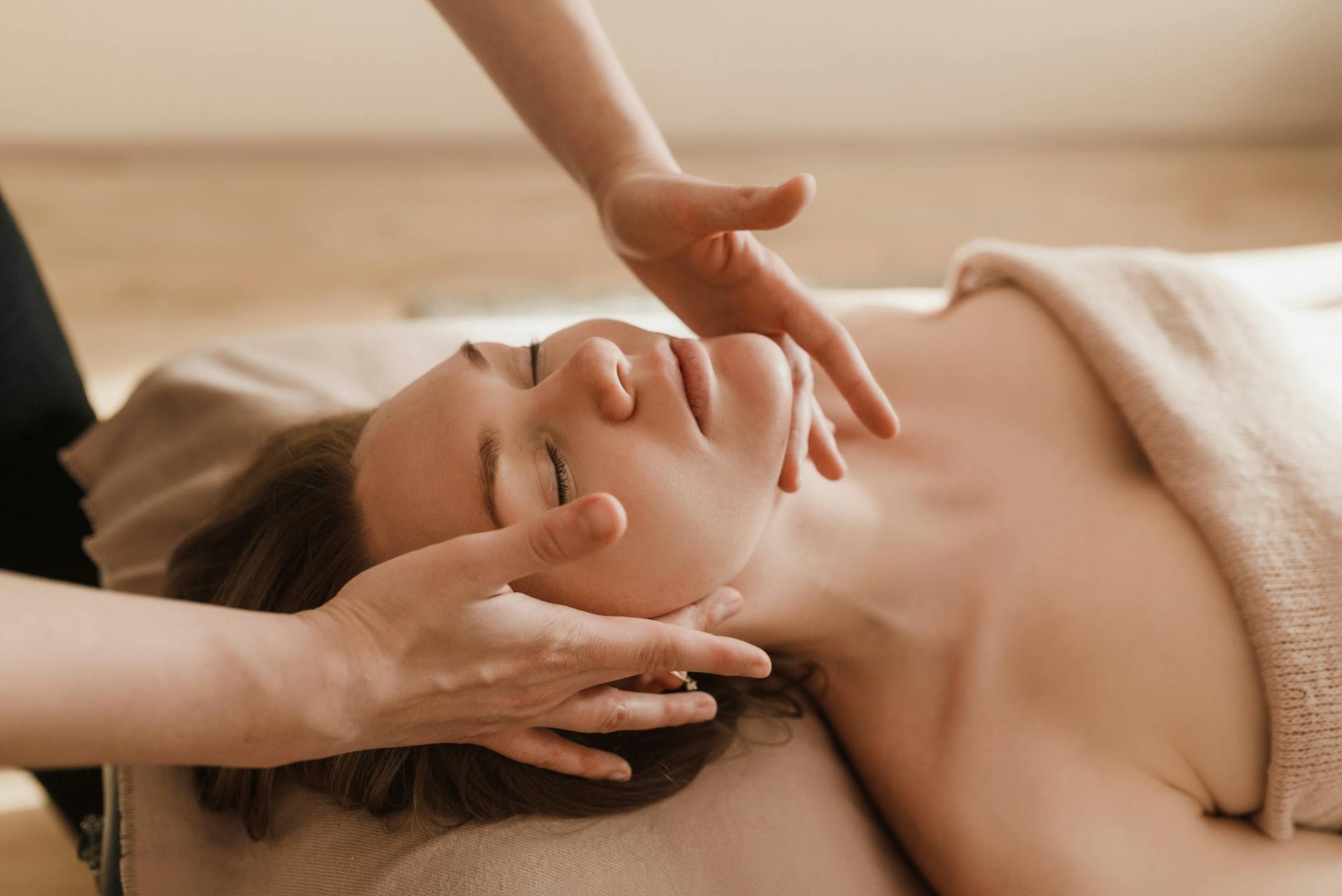
Despite its growing popularity, some skeptics claim that cold therapy lacks substantial health benefits. However, scientific research supports its efficacy in various areas. Cold therapy has been shown to reduce inflammation, improve circulation, and even enhance mood.
Studies have highlighted how cold exposure can trigger the release of endorphins, the body's natural painkillers, leading to improved mood and a sense of well-being. Additionally, the cold can stimulate the production of brown fat, which helps regulate body temperature and improve metabolic function.
At SoChill Bath Club, the integration of cold and heat therapies amplifies these benefits. By alternating between different temperature extremes, members can experience enhanced recovery and a holistic sense of rejuvenation.
Now that we've debunked these myths, let's consider the local context.
Cold Therapy in Singapore's Climate

Singapore's tropical climate, characterized by high humidity and warmth, makes cold therapy particularly refreshing. The cool relief offered by cold therapy can be a welcome contrast to the island's heat, providing a unique way to invigorate and recharge.
Local wellness trends have embraced recovery therapies, with a growing interest in methods that promote both physical and mental well-being. SoChill Bath Club fits seamlessly into this landscape by offering accessible recovery options that cater to both seasoned wellness enthusiasts and beginners alike.
Conveniently located in Queenstown, SoChill offers easy access to residents and visitors from nearby neighborhoods like Holland Village. The walk-in model ensures that anyone can spontaneously experience the benefits of cold therapy without the need for prior appointments.
Having explored the local angle, let's see how you can experience this firsthand.
Experience Cold Therapy at SoChill Bath Club

SoChill Bath Club invites you to explore the invigorating benefits of cold therapy in a supportive and welcoming environment. With no appointment necessary, you can easily incorporate this rejuvenating practice into your wellness routine.
The club's facilities offer a comprehensive range of therapies, from traditional Finnish saunas to hot magnesium baths, ensuring a well-rounded recovery experience. The in-house cafe by Dough adds an extra layer of relaxation, providing artisan food and beverages to enjoy post-session.
Whether you're a seasoned athlete, a busy professional, or simply curious about wellness, SoChill Bath Club provides a community-oriented space where you can explore the benefits of cold therapy at your own pace.
Experience the invigorating benefits of cold therapy at SoChill Bath Club — where no appointment is needed, and relaxation awaits. Discover more about cold therapy in Singapore with our comprehensive guides such as The Ultimate Guide to Cold Therapy in Singapore and learn about the nuances of different recovery methods in Ice Baths vs. Cold Showers: Which Is Better for Recovery?.