
Picture yourself standing at the edge of a serene pool, the sun just starting to dip below the horizon. You’ve just completed an intense workout, your muscles are humming with exertion, and you’re faced with a choice: plunge into the icy depths of an ice bath or step into a refreshing cold shower. This decision, though seemingly small, holds the key to unlocking optimal recovery. Athletes and fitness enthusiasts alike often grapple with this very dilemma: which cold therapy method reigns supreme for recovery?
In this article, we delve into the age-old debate of "Ice Baths vs. Cold Showers: Which Is Better for Recovery?" By examining the benefits and the best use cases for both, we aim to equip you with the knowledge needed to make an informed choice. Whether you're an elite athlete, a weekend warrior, or a wellness-curious individual, understanding the nuances of cold therapy can significantly enhance your recovery routine.
The Science Behind Cold Therapy
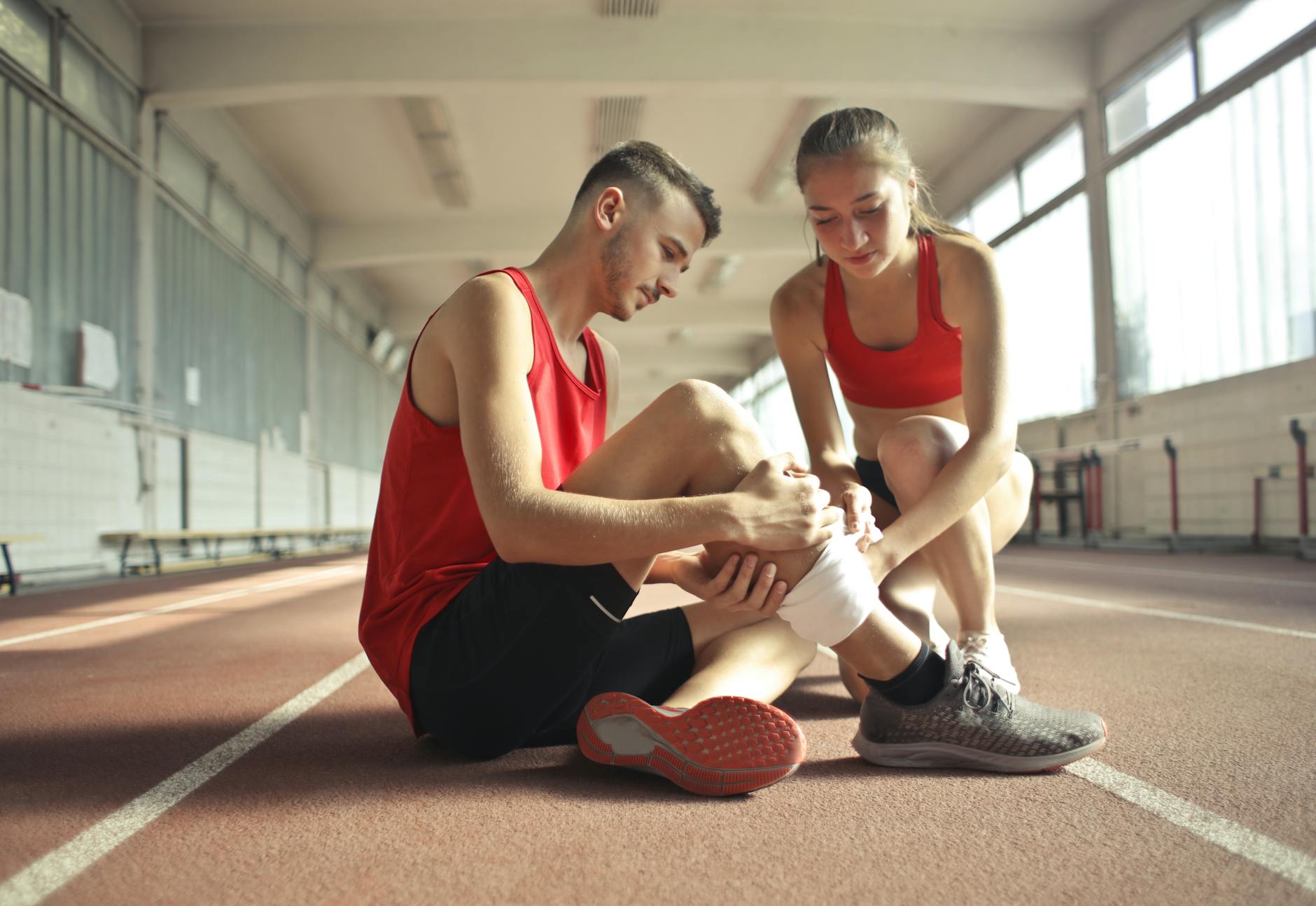
Cold therapy, also known as cryotherapy, has long been a staple in the recovery arsenal of athletes. The physiological effects of cold exposure on the body are well-documented, with vasoconstriction being one of the primary responses. This process involves the narrowing of blood vessels, which reduces blood flow to the affected area, subsequently decreasing inflammation and swelling.
Numerous studies have highlighted the impact of cold therapy on muscle recovery and pain relief. By reducing inflammation, cold therapy helps mitigate delayed onset muscle soreness (DOMS), which is a common post-exercise phenomenon. Moreover, the release of norepinephrine during cold exposure enhances mood and mental clarity, providing psychological benefits alongside physical recovery.
While the science is clear on the benefits of cold therapy, different methods offer unique advantages. Ice baths and cold showers, though similar in purpose, can lead to differing outcomes based on their application. Let’s explore each method in detail to understand their specific benefits and limitations.
Ice Baths: Deep Dive into Benefits

Ice baths, often revered by professional athletes, offer a profound recovery experience. By submerging the body in ice-cold water, athletes can achieve significant reductions in muscle soreness and expedite their recovery process. The intense cold stimulates vasoconstriction, flushing out metabolic waste products accumulated during intense physical exertion.
Beyond immediate recovery, ice baths play a crucial role in reducing inflammation and preventing injuries. Regularly incorporating ice baths into a training regimen can help athletes maintain peak performance levels by minimizing the risk of overuse injuries. This method has garnered endorsements from top athletes globally, who swear by its effectiveness in keeping them competition-ready.
However, it’s important to note that ice baths are not without their drawbacks. The intense cold can be uncomfortable, especially for newcomers, and the time commitment required for filling and maintaining an ice bath can be significant. Despite these challenges, the benefits often outweigh the discomfort for those seeking targeted muscle recovery.
Now, let’s shift our focus to cold showers, a more accessible alternative that offers its own unique set of advantages.
Cold Showers: A Convenient Alternative

Cold showers, unlike their icy counterparts, are a convenient and accessible form of cold therapy. With the simple turn of a faucet, anyone can experience the invigorating effects of cold water on demand. This method is particularly appealing for those seeking a quick recovery boost without the logistical challenges of preparing an ice bath.
The benefits of cold showers extend beyond physical recovery. The sudden immersion in cold water triggers a cascade of physiological responses, including the release of endorphins, which elevate mood and promote mental clarity. This makes cold showers an excellent choice for stress relief and enhancing focus, especially after a long day in the tropical heat of Singapore.
Integrating cold showers into daily routines is straightforward, requiring no special preparation. Many fitness enthusiasts incorporate cold showers post-workout to capitalize on their recovery benefits. While perhaps not as intensive as ice baths, cold showers still offer considerable advantages for everyday recovery needs.
As we compare these methods, it’s clear that both ice baths and cold showers have their place in a comprehensive recovery strategy. The next section will explore when to choose each method based on specific scenarios.
Comparing Use Cases: When to Choose Each Method

Choosing between an ice bath and a cold shower often depends on the specific recovery needs of the individual. Ice baths are ideal for situations requiring deep, targeted recovery. For instance, athletes recovering from a marathon or a particularly grueling workout session may benefit from the intense anti-inflammatory effects of an ice bath.
Conversely, cold showers are a more practical choice for everyday recovery and mental rejuvenation. For those engaging in regular gym sessions or seeking a quick pick-me-up, a cold shower provides a readily available option. The convenience factor cannot be overstated, making cold showers a preferred choice for many busy professionals in Singapore.
Local climate considerations also play a role in determining the most suitable method. Singapore’s hot and humid weather amplifies the refreshing nature of cold showers, making them an attractive option for cooling down after exercise. However, for those seeking a more profound recovery experience, the controlled environment of an ice bath can provide a deeper sense of relief.
Ultimately, the choice between an ice bath and a cold shower will depend on individual preferences and recovery goals. Exploring these methods in a supportive setting, such as SoChill Bath Club, can offer valuable insights into which approach best suits your needs.
Key Arguments: Ice Baths vs. Cold Showers

The debate between ice baths and cold showers is nuanced, with both methods offering distinct advantages. Ice baths provide intense, targeted recovery for athletes dealing with significant muscle strain. The comprehensive anti-inflammatory effects make them a go-to choice for those requiring thorough recovery.
In contrast, cold showers offer a quick, accessible solution for everyday recovery. Their ability to enhance mental clarity and relieve stress makes them a versatile tool for maintaining overall well-being. Both methods are valuable, and the decision ultimately lies in the individual's recovery needs and lifestyle preferences.
In the context of Singapore, where the wellness scene continues to thrive, the relevance of cold therapy extends beyond physical recovery. The tropical climate makes cooling therapies particularly appealing, and local facilities like SoChill Bath Club provide an ideal environment to experience these benefits firsthand.
Singapore-Specific Angles and Recommendations
Cold therapy holds particular relevance in Singapore's tropical climate, where the heat and humidity can exacerbate post-exercise discomfort. As more Singaporeans embrace wellness practices, the demand for effective recovery methods has grown. Ice baths and cold showers offer a refreshing way to beat the heat while promoting physical and mental well-being.
SoChill Bath Club, located in the vibrant neighborhood of Queenstown, offers a premium setting to explore these therapies. Their walk-in model and diverse offerings, including Finnish saunas and cold plunge pools, provide an accessible entry point for those curious about cold therapy. With an in-house cafe by Dough, visitors can extend their wellness experience with artisan food and beverages.
Moreover, Singaporean athletes and fitness influencers have increasingly advocated for cold therapy, sharing their experiences and encouraging others to try these methods. This growing community of enthusiasts reflects the broader trend towards holistic health and well-being in the city-state.
For those interested in learning more about cold therapy in Singapore, resources such as The Ultimate Guide to Cold Therapy in Singapore and practical tips from How to Maximize Benefits from Ice Baths provide valuable insights.
Conclusion and Call to Action

Whether you’re drawn to the intense recovery benefits of ice baths or the convenience of cold showers, both methods offer unique advantages that can enhance your fitness and well-being journey. The choice ultimately hinges on your personal preferences, recovery needs, and lifestyle considerations.
For those in Singapore, SoChill Bath Club provides an ideal setting to experiment with these therapies. Their community-oriented approach and premium amenities make it easy for newcomers to explore the world of cold therapy without pressure or expectations. We invite you to visit SoChill Bath Club and discover the transformative power of cold therapy for yourself. With their walk-in friendly model, you’re just a step away from experiencing rejuvenation in a supportive and welcoming environment.