The Science-Backed Benefits of Ice Baths: Why Singapore Is Embracing Cold Therapy
There's a reason tech executives, elite athletes, and wellness enthusiasts across Singapore are voluntarily submerging themselves in freezing water. Ice baths aren't just a passing fad or social media spectacle—they're backed by decades of scientific research showing measurable benefits for both body and mind.
But here's the truth most people don't realise: you don't need to be an ultramarathoner or biohacker to benefit from cold water immersion. The science suggests that everyday people—office workers battling stress, fitness enthusiasts seeking faster recovery, or anyone looking to shake off the mental fog of modern life—may have the most to gain.
Let's dive into what actually happens when you take the plunge, and why cold therapy might be exactly what your body has been craving.
What Happens to Your Body in an Ice Bath
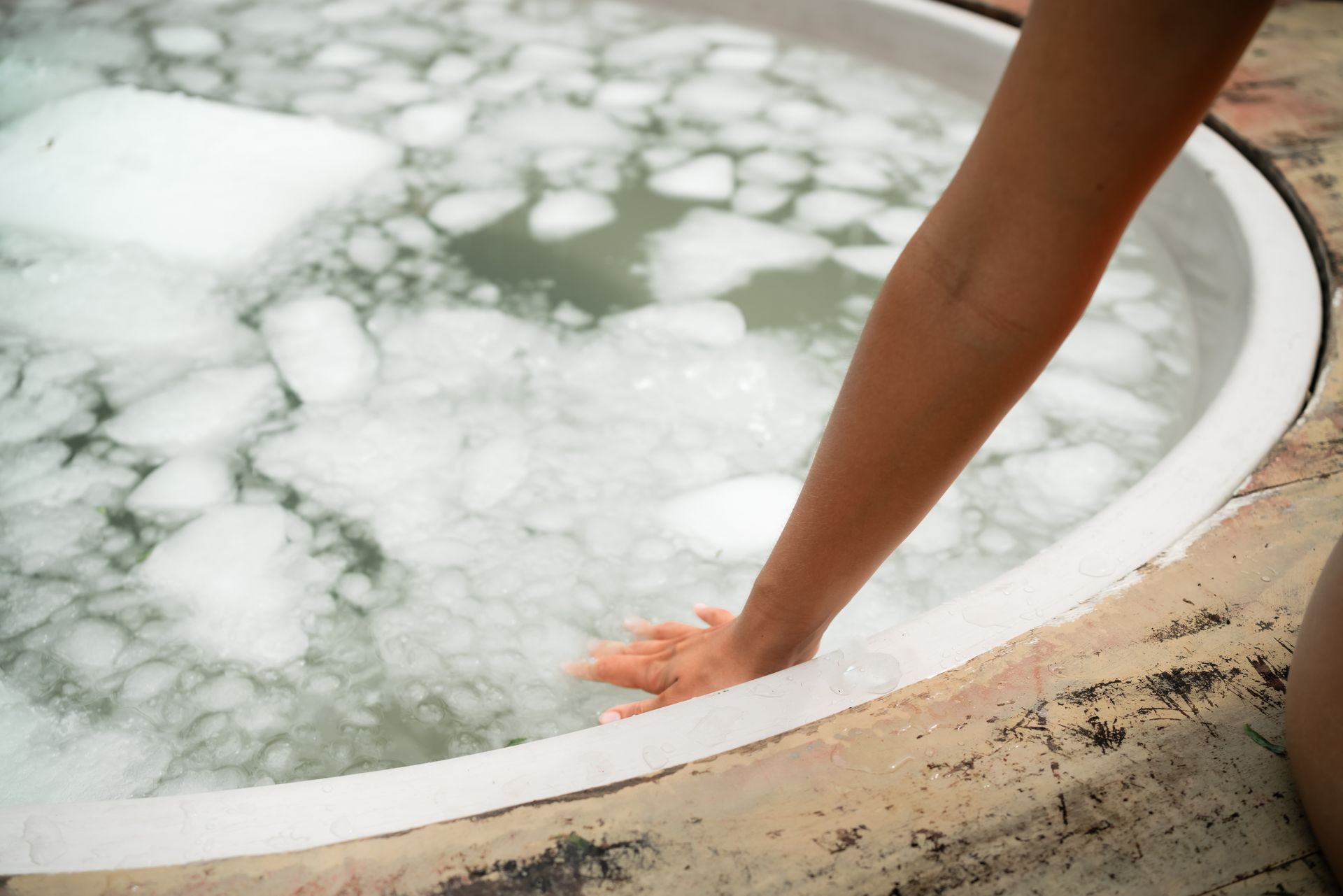
The moment you step into cold water, your body launches into action. This isn't just discomfort—it's a cascade of physiological responses that researchers have been studying for decades.
The Dopamine Surge
Perhaps the most compelling finding comes from a landmark study published in the European Journal of Applied Physiology. Researchers found that immersion in 14°C water triggered a 250% increase in dopamine levels—the neurotransmitter associated with motivation, focus, and reward. Even more remarkable, noradrenaline levels spiked by 530%.
Unlike the quick hit of dopamine you get from checking your phone or eating something sweet, this elevation lasted for hours after subjects left the water. It's a sustained mood lift that many regular cold plungers describe as feeling "switched on" for the rest of their day.
Metabolic Activation
That same study revealed something else striking: cold water immersion increased metabolic rate by up to 350%. Your body works overtime to maintain core temperature, burning calories in the process.
But the benefits extend beyond the immediate calorie burn. Regular cold exposure has been shown to activate brown adipose tissue—a type of fat that actually burns energy to generate heat. Research published in the International Journal of Circumpolar Health found that repeated cold water immersion can increase the "browning" of fat tissue, potentially improving long-term metabolic health and insulin sensitivity.
The Recovery Effect
For anyone who exercises regularly, cold water immersion offers tangible recovery benefits. According to the Cleveland Clinic, cold water constricts blood vessels, slowing blood flow and reducing the swelling and inflammation that cause post-workout soreness.
A 2021 study of college soccer players demonstrated that cold water immersion effectively promoted post-sport recovery, with participants showing reduced markers of muscle damage and faster restoration of sprint performance within 24 hours.
The Mental Health Connection
While the physical benefits are impressive, the mental health implications of cold therapy may be even more significant—particularly for those of us navigating the pressures of modern urban life.
Stress Hormone Regulation
Research from Stanford's Lifestyle Medicine program found that cold water immersion doesn't spike cortisol (the stress hormone) as you might expect. In fact, cortisol levels actually decreased across all temperatures tested and remained considerably lower for up to three hours after just 15 minutes of exposure.
A 12-week study on regular winter swimmers revealed that after just four weeks of consistent practice, participants showed significantly lower cortisol levels post-exposure. Their bodies had adapted, treating the cold not as a threat but as a tool.
Mood and Mental Clarity
A 2021 study examining cold water immersion in undergraduate students found significant improvements across multiple psychological measures after just 20 minutes of exposure. Participants reported:
- Decreased tension and anxiety
- Reduced feelings of anger and depression
- Lower fatigue and confusion
- Increased vigour and self-esteem
Another study with adults new to cold water swimming found that even a brief 5-minute immersion left participants feeling "more active, alert, attentive, proud, and inspired."
This isn't placebo. The combination of endorphin release during the initial cold shock, sustained noradrenaline elevation, and the simple accomplishment of doing something challenging creates a powerful cocktail for mental wellness.
Getting Started: What the Experts Recommend
If you're considering cold therapy, the research offers clear guidance on how to approach it safely and effectively.
Temperature
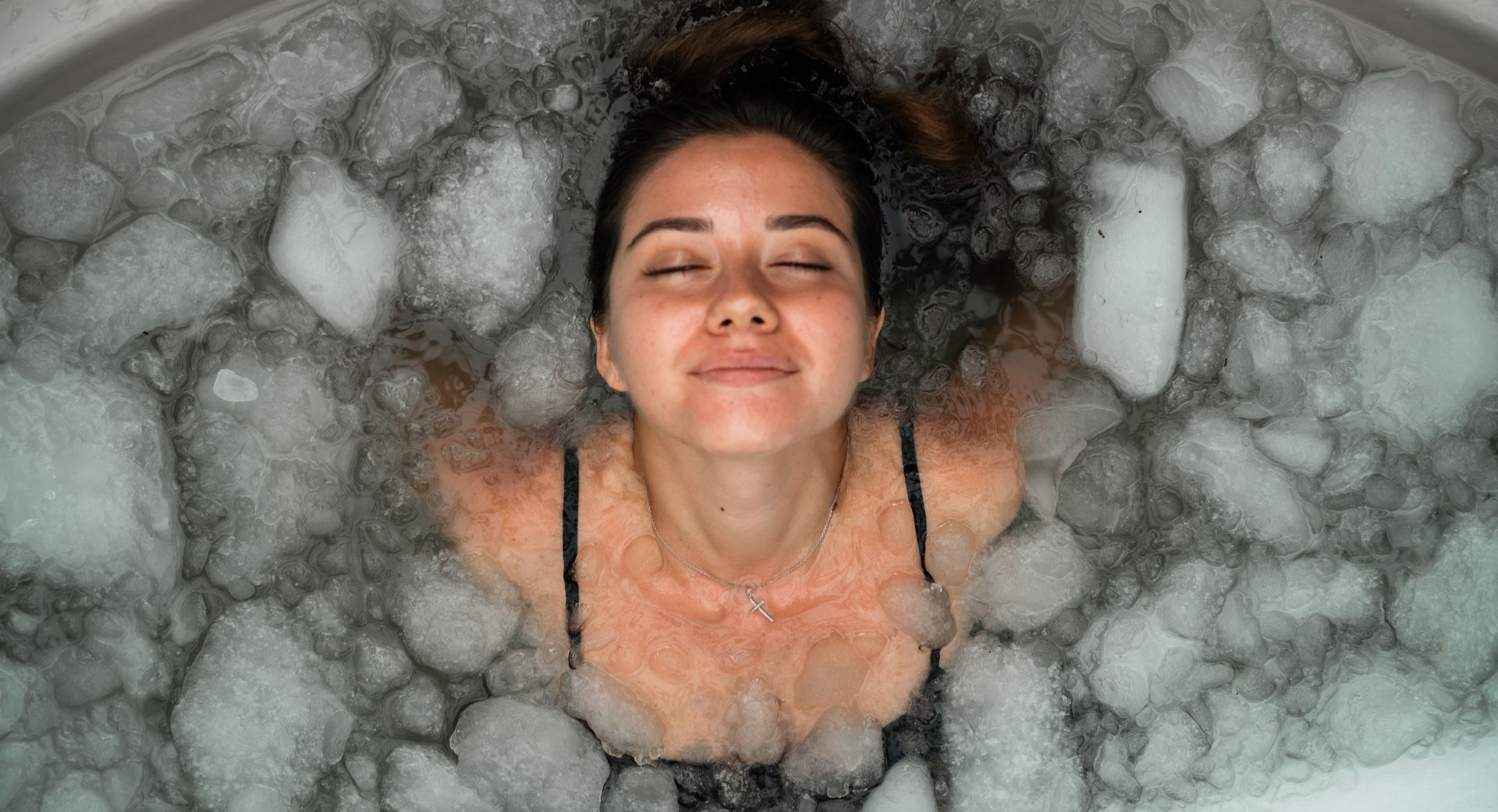
The Cleveland Clinic recommends starting at 10-15°C (50-59°F) for beginners. This is cold enough to trigger the beneficial physiological responses without the risks associated with extreme temperatures. Interestingly, researcher Mark Harper, author of Chill: The Cold Water Swim Cure, notes that maximum therapeutic response occurs between 10-15°C, with no significant additional benefit below 10°C.
So colder isn't necessarily better—it's about finding the temperature that challenges you without endangering you.
Duration
Start with 1-2 minutes and work your way up. Most research showing significant benefits uses sessions of 2-5 minutes. Stanford neuroscientist Andrew Huberman suggests that a total of just 11 minutes per week—spread across 2-4 sessions—is enough to achieve meaningful health benefits.
Breathing
Perhaps the most important technique is breath control. The initial shock of cold water naturally triggers rapid, shallow breathing. Learning to slow your breath and remain calm in the cold is where much of the mental resilience training comes from. Many facilities offer guided sessions specifically to help newcomers master this skill.
Why Singapore Is Embracing the Cold
In a tropical climate where air conditioning is considered essential, the rise of ice bath culture might seem counterintuitive. But that's precisely the point.
Singaporeans don't experience natural cold exposure the way people in temperate climates do. Our bodies never get the hormetic stress—the beneficial challenge—that humans evolved to handle. Cold therapy offers a controlled way to give our physiology something it's been missing.
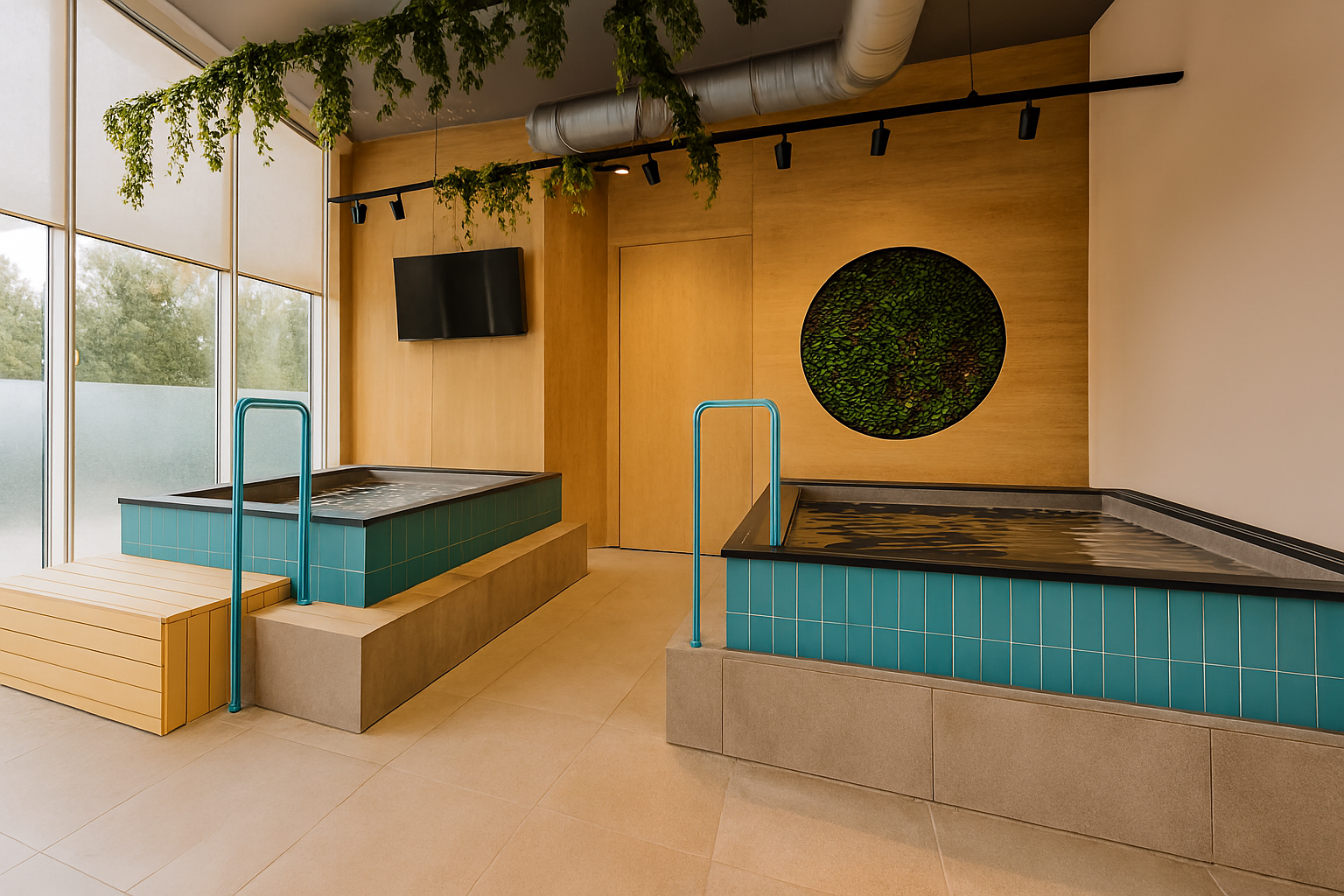
The wellness scene here has responded accordingly. From dedicated cold plunge studios to contrast therapy centres combining saunas with ice baths, options have multiplied across the island. The appeal transcends demographics: executives seeking mental clarity, athletes optimising recovery, and everyday people simply looking for a reset from the relentless pace of city life.
The Social Dimension
There's another element that makes cold therapy particularly well-suited to Singapore's culture: community.
While you can certainly buy a cold plunge tub for your home, there's something different about taking the plunge alongside others. The shared challenge creates connection. The vulnerability of being uncomfortable together—and coming out the other side—builds a particular kind of camaraderie.
This is why the best cold therapy experiences aren't just about the temperature of the water. They're about the environment: a space designed to help you transition from the chaos of your day into a state of presence, challenge yourself in a supportive setting, and leave feeling genuinely renewed.
It's not about proving anything or pushing to extremes. It's about giving yourself permission to pause, reset, and return to your life with more clarity and energy than you had before.
The Bottom Line
Cold therapy isn't magic, and it's not for everyone. People with heart conditions, uncontrolled high blood pressure, or certain circulatory issues should consult their doctor before trying it. And the research, while promising, acknowledges limitations—many studies involve small sample sizes, and individual responses vary.
But for most healthy adults, the evidence supports what millions of cold plungers already know from experience: there's something uniquely powerful about voluntarily embracing discomfort. The dopamine surge, the metabolic activation, the stress hormone regulation, the mental clarity—these aren't wellness buzzwords. They're measurable, repeatable phenomena.
Whether you're looking to optimise your athletic recovery, find a new tool for managing stress, or simply want to feel more alive in your body, cold water immersion offers something increasingly rare in our comfort-obsessed world: a genuine challenge with genuine rewards.
The only question is whether you're ready to take the plunge.