
Have you ever wondered why top athletes prioritize recovery as much as their training? In the world of sports, where every fraction of a second and every ounce of energy counts, understanding the role of recovery can be a game-changer in achieving peak performance. According to a recent study, athletes who integrate structured recovery strategies into their routines can reduce their injury risk by up to 30%. This striking statistic underscores the importance of recovery, not just as a component of athletic regimens, but as a cornerstone of athletic success.
Understanding Recovery: The Missing Link in Athletic Success
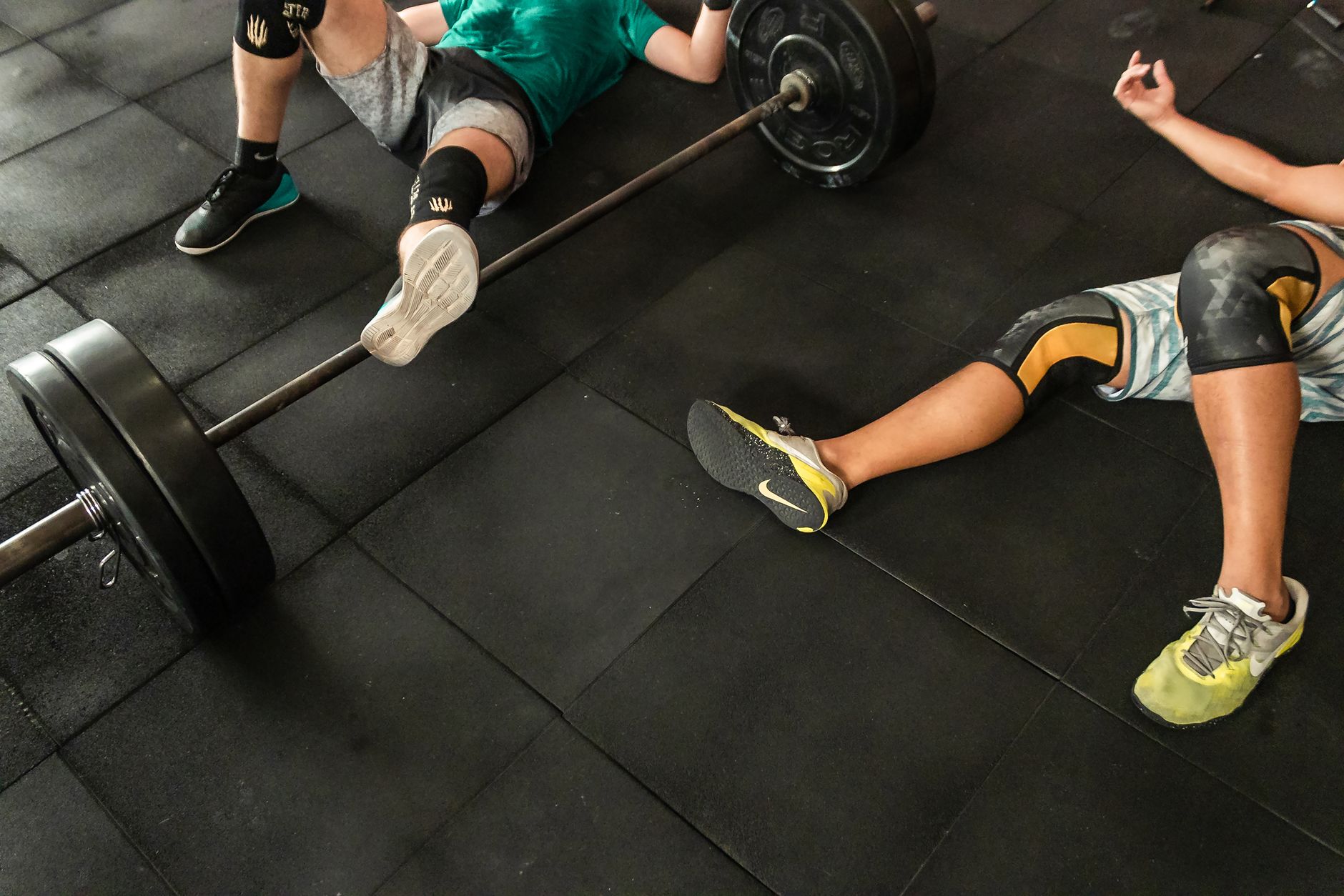
Recovery in sports is often misunderstood as merely taking a break or resting after a workout. However, it is a comprehensive process that involves the body and mind’s return to a state of readiness for the next challenge. It encompasses several physiological processes, including muscle repair, glycogen replenishment, and the reduction of inflammation. Misconceptions abound, with many equating recovery solely to passive rest, overlooking the active processes that promote performance enhancement.
Effective recovery is not just about lying on the couch; it's about engaging in activities and consuming nutrients that facilitate the body's natural repair mechanisms. This includes everything from protein synthesis to the reduction of inflammation, which together help restore the body’s energy reserves and repair damaged tissues. Understanding these processes can significantly impact how athletes plan their training and recovery schedules, ensuring that they maximize their potential while minimizing the risk of injury.
The science behind recovery is fascinating and complex. It involves a series of physiological adaptations that prepare the body for subsequent physical challenges. Transitioning from understanding these mechanisms to applying them in practical scenarios is where the true benefits of recovery can be realized. This sets the stage for exploring the scientific basis of recovery and how it can be optimized for athletic success.
The Science of Recovery: How the Body Rebuilds

The body’s ability to rebuild and strengthen after exercise is rooted in several key physiological mechanisms. Protein synthesis is one of the most critical processes, where the body repairs and builds new muscle fibers, making them stronger than before. Inflammation reduction is another essential aspect, as it helps to alleviate muscle soreness and prevent chronic injuries. Neural adaptations also play a crucial role, as they enhance the body's ability to execute movements more efficiently.
Numerous studies have validated the importance of recovery in athletic performance. For instance, a 2019 study highlighted that athletes who adhered to structured recovery protocols showed improved performance metrics, such as increased strength and endurance. Moreover, the role of sleep and nutrition cannot be overstated, as they are integral to effective recovery. Sleep allows the body to undergo vital repair processes, while nutrition provides the necessary building blocks for muscle repair and energy replenishment.
Connecting the science of recovery to practical applications is vital for athletes looking to optimize their performance. This involves understanding which recovery strategies align best with their specific needs and how to implement these strategies effectively. This leads to the exploration of various recovery methods that have been proven to enhance athletic performance.
Effective Recovery Strategies for Athletes
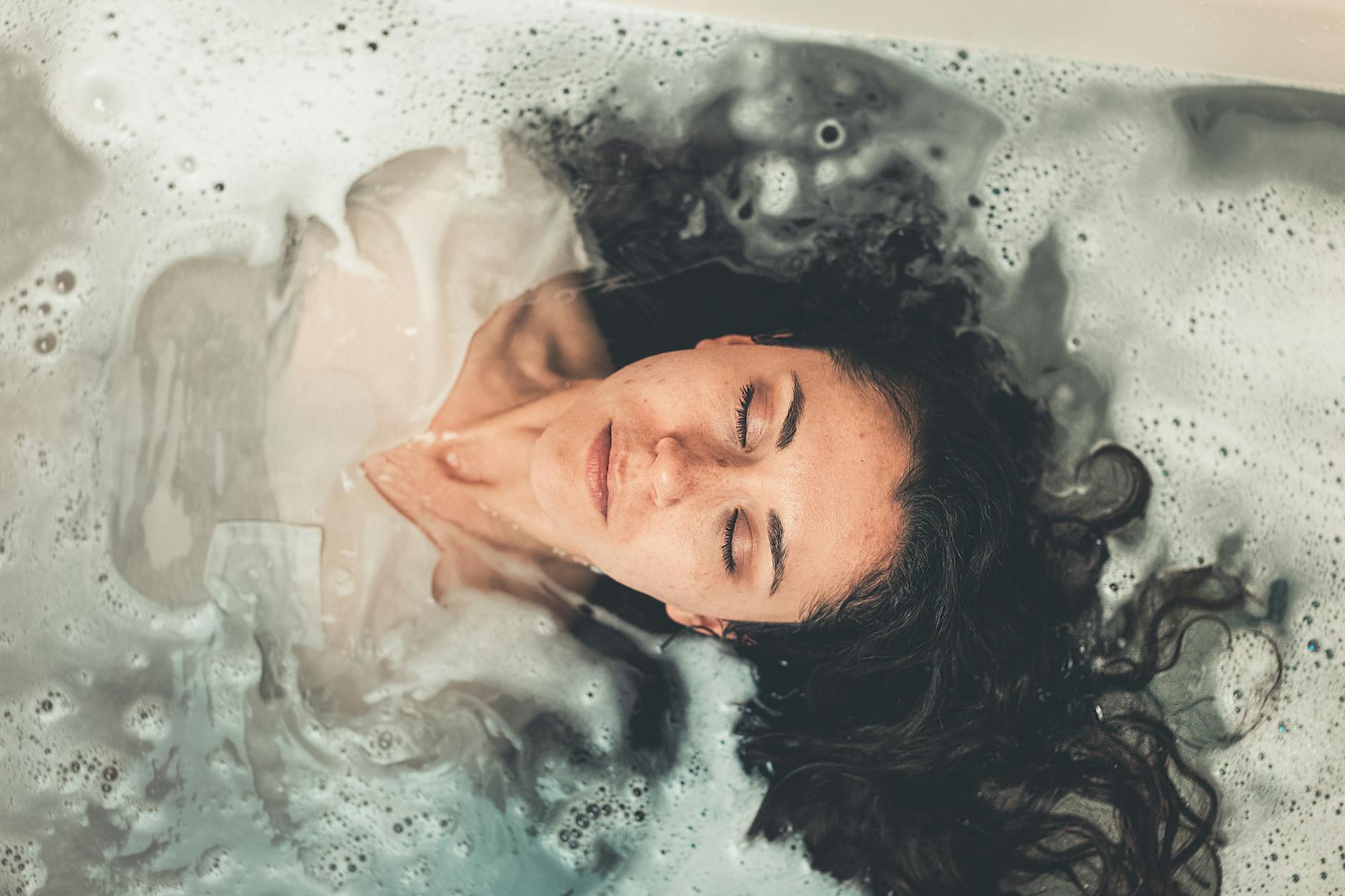
Athletes have a plethora of recovery strategies at their disposal, each offering unique benefits. Active recovery, for example, involves engaging in low-intensity exercise to promote circulation and facilitate the removal of metabolic waste products. Cold therapy, including ice baths, is renowned for its ability to reduce muscle soreness and expedite recovery. Contrast baths, which alternate between hot and cold temperatures, are also effective in enhancing circulation and reducing inflammation.
SoChill Bath Club in Queenstown, Singapore, offers a unique array of recovery options that are scientifically grounded. Their Finnish sauna provides traditional dry heat, which helps relax muscles and release endorphins. Cold plunge pools and hot magnesium baths are perfect for athletes seeking to optimize their recovery through scientifically-backed methods. A 2021 meta-analysis found that ice baths significantly reduce muscle soreness and improve recovery times, making them a staple in many athletes' recovery regimens.
While physical recovery is paramount, mental recovery is an equally important component that often goes overlooked. Mental fatigue can severely impact performance, highlighting the need for a holistic approach to recovery that addresses both body and mind.
Mental Recovery: The Overlooked Component
Mental recovery is crucial in maintaining optimal performance levels. Mental fatigue can lead to decreased concentration, motivation, and overall performance. Sports psychology provides numerous insights into stress relief techniques that can aid in mental recovery, such as mindfulness practices and relaxation techniques. These methods help athletes manage stress and improve focus, ultimately enhancing their performance.
Community and relaxation play a significant role in mental recovery, aligning with SoChill's community-oriented approach. The environment at SoChill encourages social interaction and relaxation, which can help alleviate mental stress and promote a sense of well-being. By embracing a holistic approach to recovery, athletes can ensure that they are addressing all aspects of their health and performance.
Considering both physical and mental recovery in athletic routines is essential. This comprehensive approach ensures that athletes are not only prepared for their next physical challenge but are also mentally equipped to handle the pressures of competition.
Local Perspectives: Recovery for Singaporean Athletes
Singapore's tropical climate presents unique challenges for athletes, such as increased risk of dehydration and heat-related fatigue. Effective recovery strategies can mitigate these challenges, ensuring that athletes maintain peak performance levels despite the humid conditions. Local athletes and sports teams in Singapore have begun implementing advanced recovery strategies to counteract the effects of the climate and optimize their performance.
SoChill Bath Club's strategic location in Queenstown offers Singaporean athletes a convenient option for comprehensive recovery solutions. The club's proximity to central neighborhoods such as Holland Village makes it an accessible choice for those looking to integrate recovery into their fitness routines. By providing tailored recovery experiences, SoChill helps athletes overcome the climatic challenges unique to Singapore.
Experiencing these innovative recovery solutions firsthand can offer valuable insights into their benefits. This encourages athletes to explore local options and integrate these practices into their routines for enhanced performance and well-being.
Key Arguments

The core thesis of this article is that recovery is a critical component of athletic success, as essential as training itself. Scientific evidence underscores the physiological benefits of recovery, highlighting its role in muscle repair, inflammation reduction, and performance enhancement. Effective recovery strategies, such as those offered by SoChill Bath Club, enhance both physical and mental performance, providing athletes with the tools they need to succeed.
Locally accessible solutions, like those at SoChill, offer tailored recovery experiences that address the specific needs of Singaporean athletes. By integrating these strategies into their routines, athletes can optimize their performance and achieve their goals. This comprehensive approach to recovery ensures that all aspects of an athlete's health and performance are addressed.
Singapore-Specific Angles

Singapore's humid climate can significantly impact training and recovery, making it essential for athletes to adopt recovery strategies that address these challenges. SoChill Bath Club's location in an accessible neighborhood like Queenstown enhances its appeal to local athletes seeking convenient and effective recovery solutions. Moreover, local sports events and teams have increasingly emphasized the importance of recovery, further highlighting its critical role in athletic success.
By understanding and addressing the unique challenges posed by Singapore's climate, athletes can tailor their recovery strategies to optimize their performance. This makes local recovery solutions like SoChill invaluable resources for athletes aiming to achieve their best.
Call to Action
For athletes and sports coaches seeking to enhance their recovery strategies, a visit to SoChill Bath Club offers a firsthand experience of integrated recovery solutions. With offerings that cater to both physical and mental recovery, SoChill provides a holistic approach that supports athletes in achieving their performance goals. Consider exploring SoChill's founding memberships for regular visitors, which offer additional benefits and incentives for those committed to making recovery a key component of their athletic journey.
By embracing the science of recovery and integrating effective strategies into their routines, athletes can unlock new levels of performance and well-being, ensuring that they are always ready for their next challenge.