
Imagine this: you've just finished a rigorous workout at your preferred gym in Singapore. As you bask in the endorphin rush, a thought clouds your mind—are you truly optimizing your post-workout nutrition for recovery? In the sea of information available, it's easy to get swept away by myths that may inadvertently derail your recovery efforts. Today, we aim to debunk these nutrition and recovery myths, empowering you with evidence-based insights to refine your wellness journey.
The Myth of the Protein Window

The concept of the "anabolic window" has long perpetuated the belief that consuming protein immediately after a workout is crucial for muscle growth. Originating from early bodybuilding culture, this idea suggests a narrow timeframe post-exercise during which protein intake can maximize muscle protein synthesis. However, recent studies, such as the one by Schoenfeld et al. in 2020, have challenged this notion, revealing that the timing of protein intake is less critical than once believed.
These findings emphasize that the total daily protein intake holds more significance than its timing. For most individuals, ensuring a consistent intake of high-quality protein throughout the day is sufficient to support muscle recovery and growth. This shift in understanding allows us to focus more on balanced nutrition strategies rather than adhering to strict post-workout timelines.
While the immediacy of protein consumption may not be as pivotal as once thought, it invites us to explore the role of other macronutrients, such as carbohydrates, in the recovery equation. Let's delve into whether carbs are indeed a friend or foe in this context.
Carbohydrates: Friend or Foe?
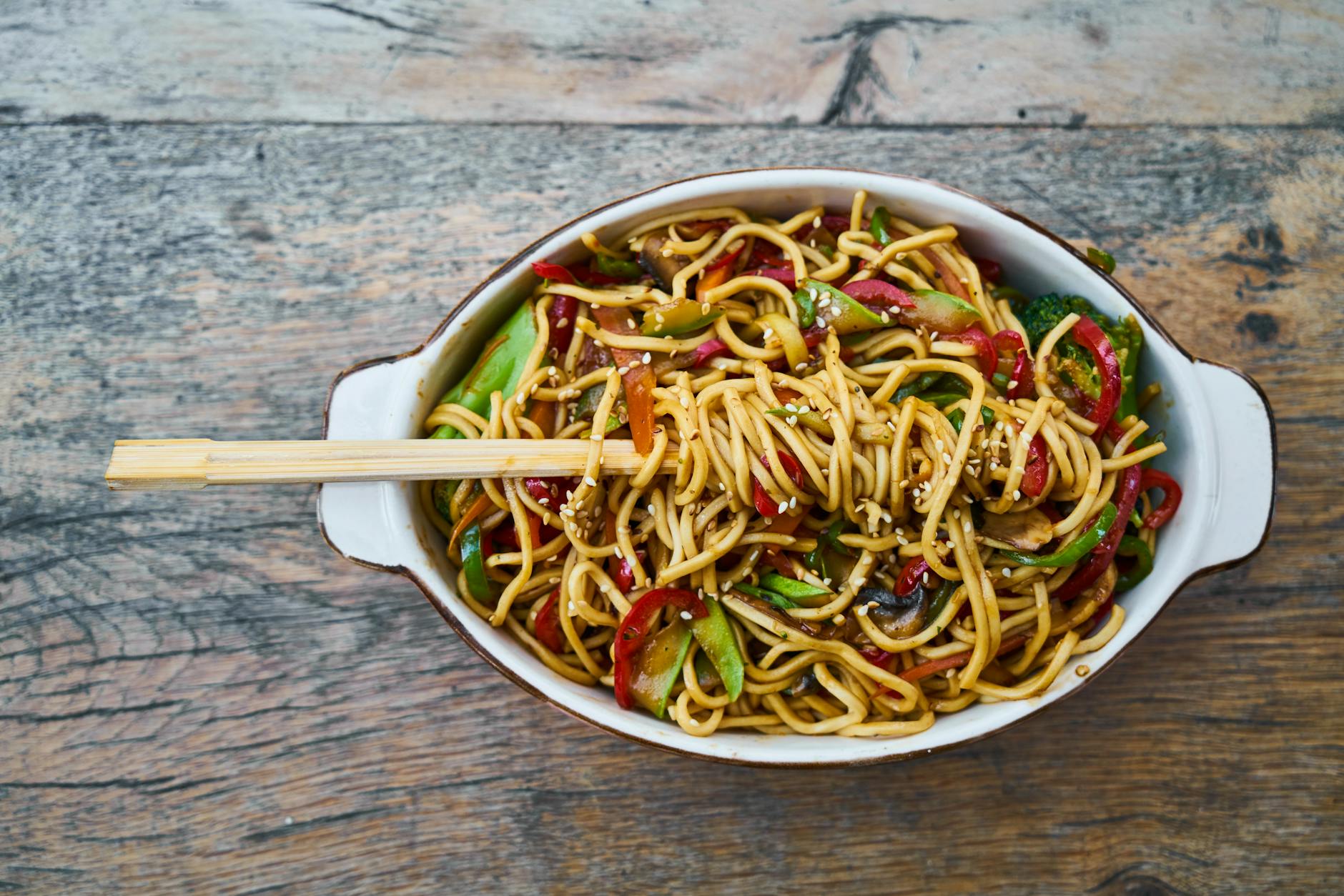
Carbohydrates often receive a bad rap, especially in the context of weight management. A common misconception is that they should be avoided post-workout to prevent unwanted weight gain. However, carbohydrates play a critical role in replenishing glycogen stores, which are depleted during exercise, thus restoring energy levels.
Research by Burke et al. in 2018 emphasizes the importance of carbohydrates in promoting glycogen synthesis, which is vital for optimal recovery and performance. In Singapore, where a variety of carbohydrate-rich foods are readily available, incorporating options like rice, noodles, or even a local favorite—pandan-flavored desserts—can provide the necessary fuel for recovery.
As we shift our focus from macronutrients to hydration, it's essential to address the common belief that plain water suffices for post-exercise recovery. Let's uncover the truth about hydration and its nuances in Singapore's humid climate.
Hydration: More Than Just Water
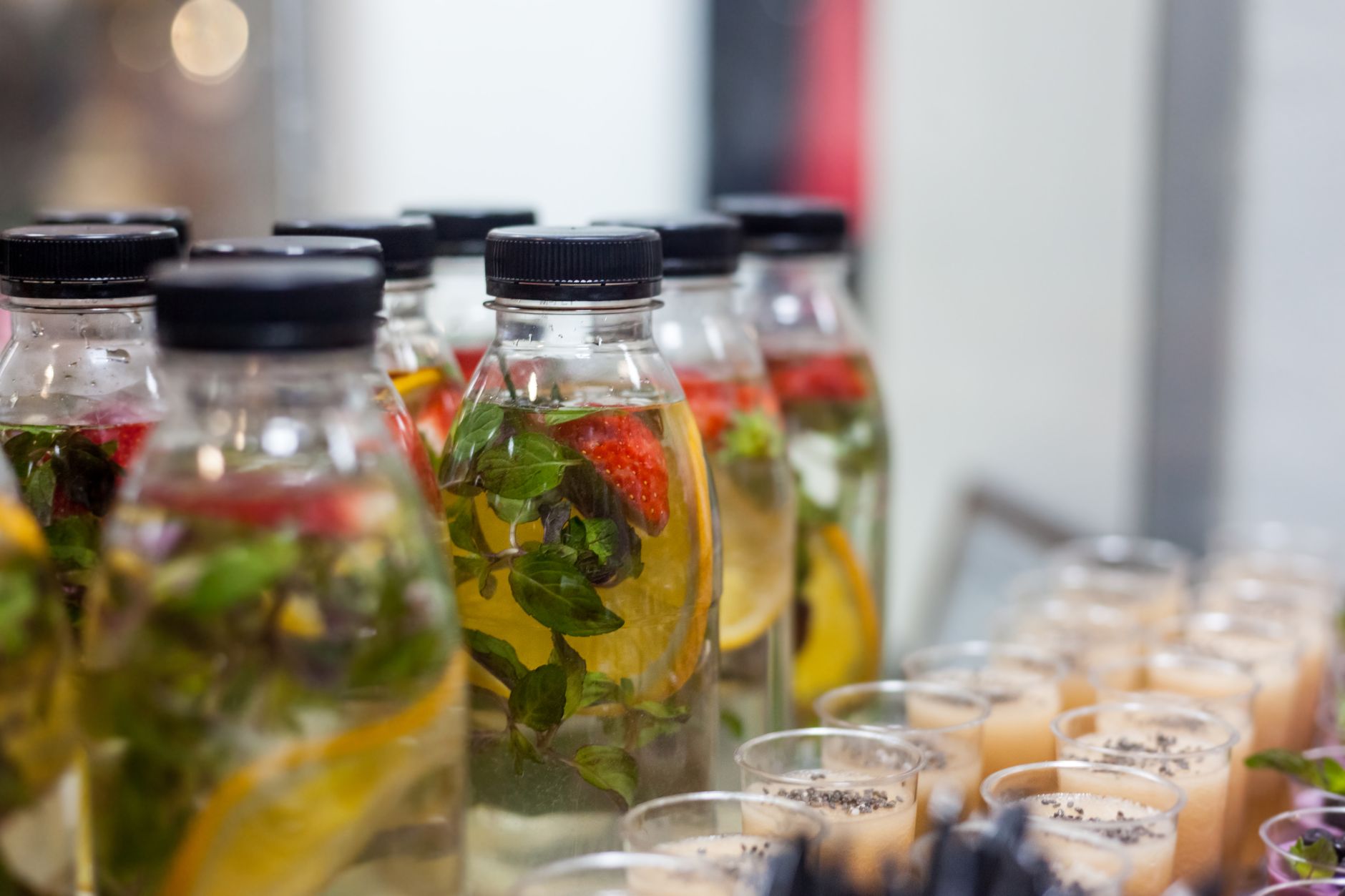
It's a widespread belief that drinking ample water is all you need to stay hydrated after a workout. However, this myth overlooks the critical role of electrolytes and minerals in maintaining hydration balance, especially in a humid environment like Singapore's. Sweating leads to the loss of vital electrolytes, such as sodium, potassium, and magnesium, which are essential for muscle function and recovery.
The study by Sawka et al. in 2015 highlights the necessity of replenishing these electrolytes to maintain optimal hydration levels. At SoChill Bath Club, we recognize the importance of minerals in recovery, which is why we offer hot magnesium baths as part of our recovery amenities. These baths not only aid in relaxation but also help replenish magnesium levels, supporting muscle recovery and overall well-being.
With hydration myths debunked, let's turn our attention to supplements. Are they a necessity, or is there more to the story?
The Supplement Trap: Do You Really Need Them?

Supplements are often marketed as essential components of a recovery routine, promising enhanced performance and quicker recovery. However, the necessity of supplements is a topic fraught with misconceptions. While certain supplements can be beneficial, many are not as effective as claimed, and some may even be unnecessary.
The overview by Geyer et al. in 2019 underscores that obtaining nutrients from whole foods should be prioritized over supplements whenever possible. Whole foods provide a complex array of nutrients that work synergistically to support recovery and overall health. For instance, a post-workout meal consisting of lean protein, whole grains, and fresh vegetables can provide the essential nutrients needed for recovery.
As we wrap up our discussion on supplements, it's time to address the myth surrounding rest days. Is it really about doing nothing, or does active recovery play a role in enhancing recovery?
The Rest Day Myth: Active Recovery vs. Total Rest

The notion that rest days equate to complete inactivity is a common misconception. In reality, incorporating active recovery into your routine can be more beneficial than total rest. Active recovery, which includes low-intensity activities such as walking, stretching, or engaging in sauna and cold plunge sessions, helps maintain blood flow, reduce muscle soreness, and promote recovery.
A study by Dupont et al. in 2004 highlights the benefits of active recovery, demonstrating how it can facilitate faster recovery and improve subsequent performance. At SoChill Bath Club, our amenities, including the Finnish sauna and cold plunge pools, are designed to support active recovery, offering a holistic approach to wellness.
Having explored these myths and their truths, it's crucial to summarize the insights gained and guide you towards actionable steps for optimizing your recovery routine.
Conclusion: Breaking Free from Myths

In the realm of nutrition and recovery, myths can often lead us astray, hindering our wellness goals. Understanding evidence-based practices is essential to optimize performance and well-being. By focusing on balanced nutrition, proper hydration, and incorporating active recovery, you can enhance your recovery routine.
In Singapore's dynamic wellness landscape, SoChill Bath Club stands as a beacon for informed recovery practices. With our unique amenities, such as the hot magnesium bath and recovery station, we offer a holistic experience that complements nutritional strategies. We invite you to visit SoChill Bath Club and experience the benefits of science-informed recovery practices firsthand.
For further insights on optimizing your nutrition and recovery, explore our related posts: Optimal Nutrition for Enhanced Recovery: A Guide for Athletes and The Perfect Post-Therapy Smoothie: Recipes for Recovery. These resources provide additional strategies to elevate your wellness journey in Singapore's vibrant fitness scene.