
Imagine finishing an intense workout at your favorite gym in Singapore, feeling the familiar burn in your muscles and the mental fog that follows. As you cool down, you might wonder how best to recover and prepare for your next training session. While exercise breaks your body down, recovery is the phase that builds it back stronger, and nutrition plays a pivotal role in this process. Are you fueling your recovery as effectively as your workouts?
Understanding Recovery: The Body's Rebuilding Phase

Recovery is the physiological process where your body repairs muscle fibers, replenishes glycogen stores, and reduces muscle fatigue. During intense physical activity, muscle tissues undergo microscopic tears, and the body’s glycogen reserves are depleted. The recovery window, typically the first 30 to 60 minutes post-exercise, is crucial for initiating the repair process. Nutrition, particularly the intake of essential nutrients, can significantly influence the effectiveness of recovery.
Research underscores the importance of this window, highlighting how timely nutrient intake can accelerate muscle repair and glycogen replenishment. Studies have shown that consuming protein shortly after exercise enhances muscle protein synthesis, while carbohydrates are crucial for restoring energy levels. Understanding these nutritional dynamics can dramatically improve recovery outcomes, paving the way for better performance in subsequent workouts.
As we delve deeper into recovery optimization, it's essential to understand how specific nutrients contribute to this process. Let's explore how proteins, carbohydrates, fats, and micronutrients can be harnessed to maximize recovery efficiency.
Essential Nutrients for Recovery
Proteins: The Building Blocks
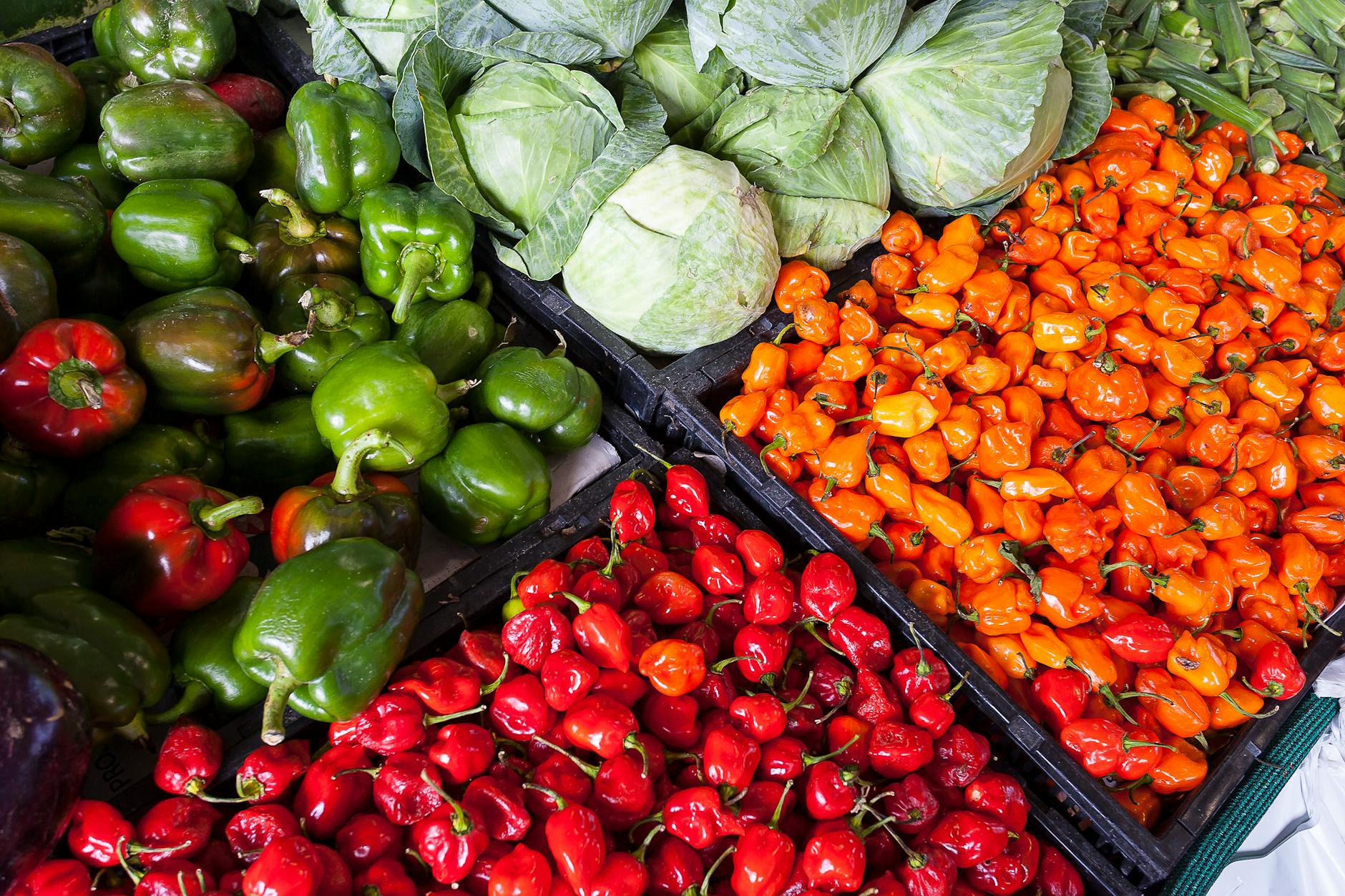
Proteins are fundamental to muscle repair and growth, serving as the building blocks for new muscle tissue. For athletes, adequate protein intake is non-negotiable. The recommended daily intake varies, but a general guideline is 1.6 to 2.2 grams per kilogram of body weight. Timing is also crucial—consuming a protein-rich snack or meal within the recovery window can significantly boost muscle protein synthesis.
Studies suggest that a balanced intake of essential amino acids, particularly leucine, is key to maximizing muscle growth. This underscores the importance of choosing high-quality protein sources. As you focus on energy replenishment, carbohydrates become the next essential component of your recovery diet.
Carbohydrates: Refueling Your Energy Stores
Carbohydrates are the primary energy source for athletes, crucial for replenishing glycogen stores depleted during exercise. Consuming carbohydrates within the recovery window helps restore energy levels and support subsequent physical performance. Recommendations typically suggest a carbohydrate intake of 1 to 1.2 grams per kilogram of body weight post-exercise.
Opt for complex carbohydrates like whole grains, fruits, and vegetables, which provide sustained energy and essential nutrients. Research on glycogen replenishment emphasizes the need for both adequate quantity and timing of carbohydrate intake. After addressing energy needs, we turn to fats for their role in sustained energy and hormonal balance.
Fats: Sustained Energy and Hormonal Balance
Healthy fats are vital for long-term energy provision and hormonal regulation. They slow down digestion, providing a steady energy release, and are critical for the absorption of fat-soluble vitamins. Sources like avocados, nuts, seeds, and olive oil are excellent choices for athletes.
Studies on fat metabolism highlight the importance of incorporating unsaturated fats into the diet, which support cellular health and reduce inflammation. Transitioning from macronutrients, we now focus on vitamins and minerals, the micronutrient powerhouses that further enhance recovery.
Vitamins and Minerals: Micronutrient Powerhouses
Vitamins and minerals, though required in smaller amounts, are indispensable for recovery. Magnesium, zinc, and vitamin D are particularly important for muscle function and repair. Antioxidants, found in vitamins C and E, help reduce oxidative stress and inflammation, speeding up the recovery process.
Research indicates that athletes often face micronutrient deficiencies due to increased physical demands. Incorporating a variety of colorful fruits and vegetables can help meet these needs. With a comprehensive understanding of nutrient importance, we now integrate these insights into practical dietary strategies.
Hydration: The Forgotten Component

Hydration is often overlooked but is crucial for optimal recovery and performance. Dehydration can impair physical performance and delay recovery, making it essential to maintain fluid balance. Signs of dehydration include fatigue, dizziness, and muscle cramps, all of which can hinder recovery.
To ensure optimal hydration, athletes should consume fluids regularly throughout the day, focusing on water and electrolyte-rich beverages. Electrolytes, such as sodium and potassium, are crucial for maintaining fluid balance and supporting muscle function. As we integrate these elements, crafting a recovery-friendly diet becomes the next step.
Crafting a Recovery-Friendly Diet
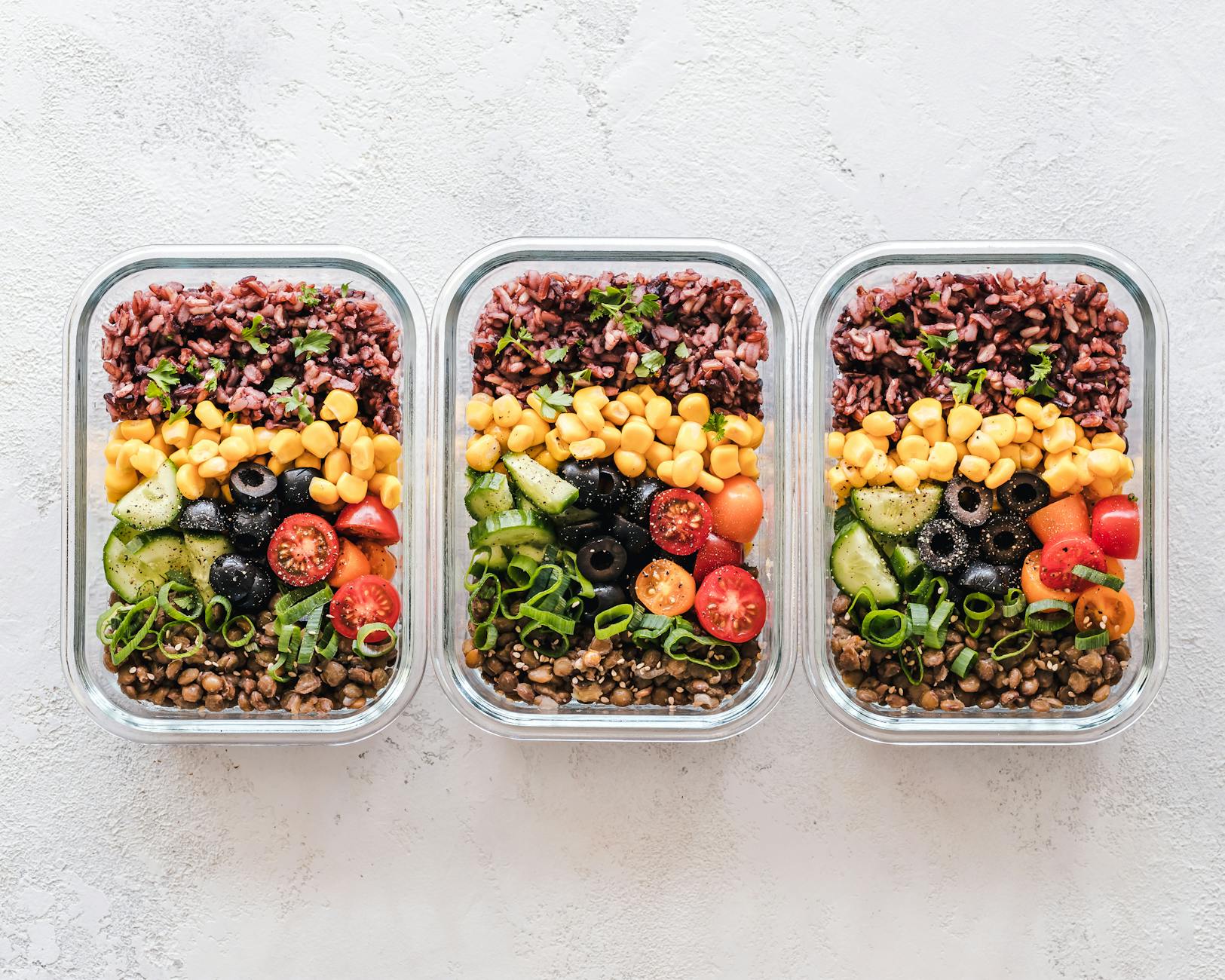
For busy athletes, meal planning and preparation are key to maintaining a recovery-friendly diet. Prioritize meals that balance macronutrients and include a variety of micronutrient-rich foods. Sample meal plans might include a post-workout smoothie with protein and greens, or a balanced meal with lean protein, whole grains, and vegetables.
The timing and ratio of nutrients are critical. Consuming balanced meals and snacks at regular intervals can help maintain energy levels and support recovery. Considering local dietary habits and climate conditions, we now tailor nutrition strategies specifically to Singapore.
Singapore-Specific Nutrition Tips
Singapore offers a rich culinary landscape, with local foods that naturally support recovery. Tofu and tempeh are excellent plant-based protein sources, while tropical fruits like papaya and mango provide essential vitamins and antioxidants. Incorporating these into your diet can enhance recovery outcomes.
The tropical climate of Singapore also affects hydration needs. The high humidity increases sweat rates, requiring athletes to pay extra attention to fluid intake. Local dining options, such as health-focused cafes and restaurants, cater to athletes’ nutritional needs, offering convenient and nutritious meals.
By considering these local factors, athletes can optimize their recovery strategies and enhance their overall performance. Finally, we conclude with actionable steps and the benefits of integrating these insights into your routine.
To experience comprehensive recovery benefits, consider visiting SoChill Bath Club in Queenstown, Singapore. The club offers a unique blend of amenities, including Finnish saunas and cold plunge pools, complementing your nutritional recovery strategies. With its walk-in model and in-house cafe by Dough, SoChill provides a seamless recovery experience. Remember, effective recovery is not just about what you eat but how you integrate these practices into your lifestyle.
For additional strategies, explore our related posts on hydration and nutrition myths: Hydration Tips for Maximizing Therapy Benefits, The Perfect Post-Therapy Smoothie: Recipes for Recovery, and Common Myths About Nutrition and Recovery. These resources will further enhance your understanding and application of recovery nutrition.