Can Cold Therapy Improve Your Sleep? What the Science Says
Singapore consistently ranks among the most sleep-deprived cities in the world. The combination of work culture, a hot and humid climate that makes it harder to cool down at night, constant light exposure, and the relentless pace of urban life means that a substantial portion of the population is quietly running on a sleep deficit that compounds week on week.
The consequences are well documented: impaired cognitive performance, heightened emotional reactivity, increased cortisol, compromised immune function, and long-term cardiovascular risk. Most people know they need better sleep. Fewer know what to actually do about it beyond the usual sleep hygiene checklist.
Cold therapy specifically ice baths and cold plunge sessions in the afternoon or early evening has emerged as one of the more surprising and evidence-supported tools for improving sleep quality. Here's what the science says.
The Temperature-Sleep Connection
Why Your Body Temperature Matters for Sleep
Sleep is fundamentally a thermal event. Your body's core temperature needs to drop by approximately 1 3°C to initiate and maintain deep sleep. This is why you naturally sleep better in a cool room, why hot humid nights lead to fragmented sleep, and why your hands and feet get warm before you fall asleep your body is actively routing blood to your extremities to radiate heat away from the core.
In Singapore's climate, this thermoregulation is constantly under pressure. Air conditioning helps, but the baseline body temperature of someone who's been outdoors in 32°C humidity throughout the day takes longer to descend to sleep-permissive levels than someone in a temperate climate.
How Cold Exposure Helps
Counter-intuitively, cold water immersion in the hours before bed can facilitate faster and deeper sleep onset not by making you cold, but by triggering a compensatory warming response that actually accelerates the thermoregulatory process your body needs to perform before sleep.
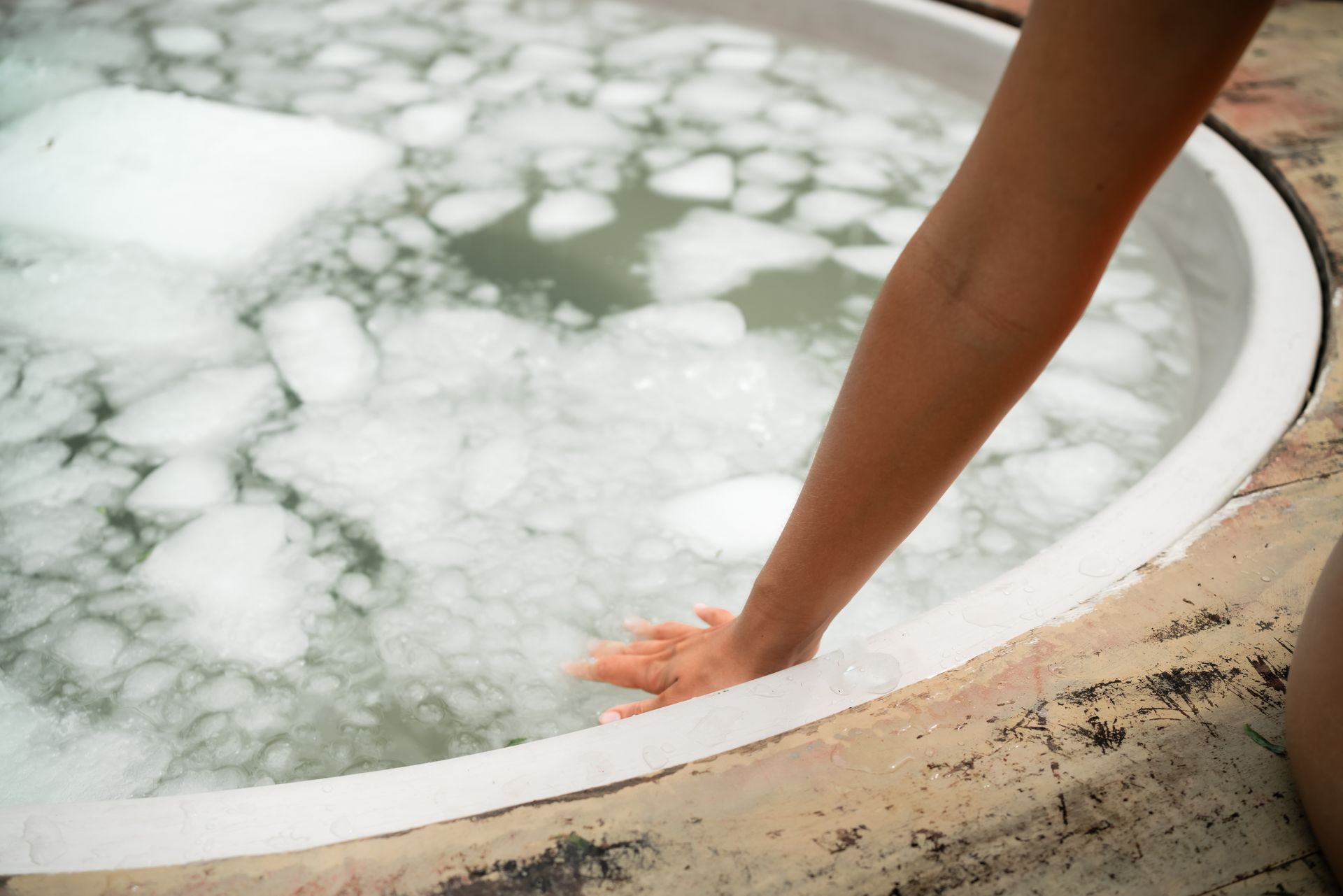
When you exit a cold plunge, your body begins producing heat aggressively. Blood flow is redistributed, metabolism increases, and your peripheral blood vessels dilate to release heat from the skin. This process the rewarming response closely mirrors what the body does naturally as it transitions into sleep mode. By triggering this response a few hours before bed, you effectively prime your body's thermal sleep machinery.
The Cortisol and Stress Hormone Connection
The Paradox of Cold and Cortisol
Many people assume that cold water immersion being a form of physical stress must spike cortisol, the primary stress hormone that's linked to poor sleep, anxiety, and impaired recovery. The research tells a more nuanced and somewhat surprising story.
Research from Stanford's Lifestyle Medicine program found that cortisol levels actually decreased across all tested temperatures following cold water immersion, and remained significantly lower than baseline for up to three hours after just 15 minutes of exposure. Rather than triggering a stress response, the practice appears to train the body's stress regulation systems.
A 12-week study on winter swimmers found that after just four weeks of consistent cold water exposure, participants showed markedly lower cortisol responses to subsequent cold sessions. Their nervous systems had adapted treating cold as a manageable challenge rather than a threat.
Why Lower Evening Cortisol Means Better Sleep
Cortisol follows a natural diurnal rhythm high in the morning to help you wake and mobilise, falling throughout the day, and at its lowest in the evening to allow the transition into sleep. Chronically elevated evening cortisol which is extremely common among urban professionals managing work stress is one of the most common physiological barriers to quality sleep.
Afternoon or early evening cold plunge sessions, by driving down cortisol through the rebound effect, may help restore the natural diurnal pattern that modern stressors tend to disrupt. This is a physiological reset rather than a sedative you're not being put to sleep by the cold, you're removing a barrier that was preventing sleep from happening naturally.
The Dopamine and Mental Quietening Effect
One of the most commonly reported and scientifically supported effects of cold water immersion is a profound shift in mental state. The spike in dopamine and noradrenaline that occurs during and after immersion creates a state of calm, focused alertness that many practitioners describe as feeling 'mentally clear' for hours.
A 2021 study on cold water immersion in undergraduate students found significant reductions in tension, anxiety, anger, depression, fatigue, and confusion following just 20 minutes of exposure. Participants also reported increased vigour and self-esteem. These psychological shifts particularly the reduction in rumination and anxiety are directly relevant to sleep quality.
The hyperactive, ruminative mental state that keeps many people awake at night replaying conversations, planning tomorrow, cycling through worries is driven largely by elevated sympathetic nervous system activity and the associated stress neurochemistry. Cold immersion appears to interrupt this cycle, not through sedation, but through a genuine neurochemical recalibration.
What the Research Says About Timing
Afternoon vs. Evening Sessions
The research on cold therapy timing for sleep is still developing, but current evidence and expert guidance suggests that sessions conducted 2 6 hours before your intended sleep time offer the most benefit. This window allows the rewarming response and cortisol reduction to work through the system, arriving at bedtime in a thermally and hormonally primed state.
Cold therapy immediately before bed within an hour of sleep is less well-supported for sleep purposes, as the acute alerting effects of noradrenaline and dopamine elevation can delay sleep onset in some individuals. The sweet spot appears to be mid-to-late afternoon or early evening.
Frequency and Consistency
Stanford neuroscientist Andrew Huberman suggests that 11 minutes of cold immersion per week distributed across 2 4 sessions is sufficient to produce meaningful physiological adaptation. For sleep specifically, consistency appears to be more important than duration: regular sessions recalibrate the autonomic nervous system over time in ways that a single session cannot achieve.
The Singapore-Specific Sleep Case
The combination of heat, humidity, work stress, and screen time that characterises life in Singapore creates a particularly challenging sleep environment. Cold therapy addresses several of these simultaneously: it lowers core temperature ahead of sleep, reduces cortisol that stress and heat accumulate across the day, quietens the anxious mind, and creates a parasympathetic shift that's difficult to achieve through other single interventions.
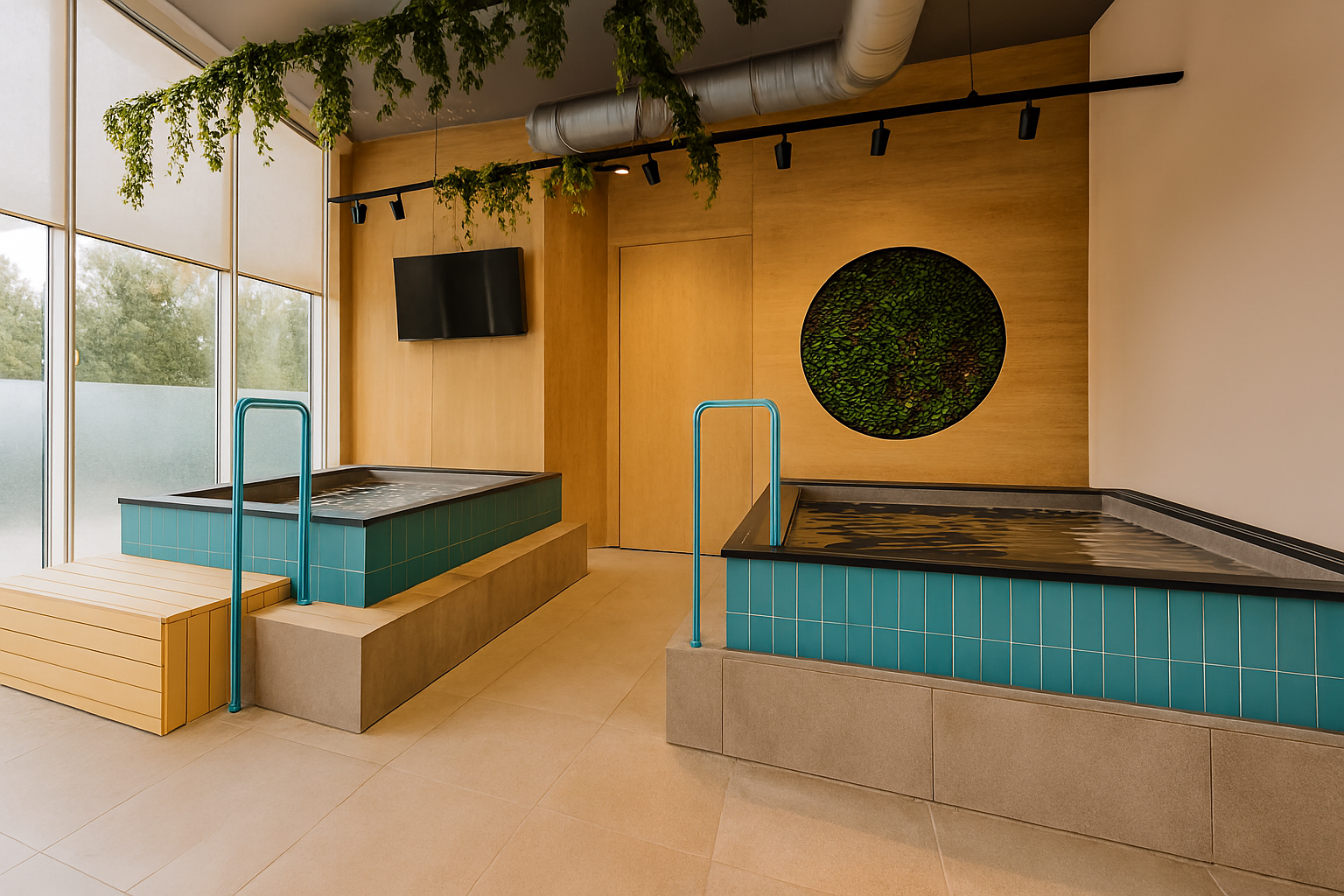
The timing of a session at SoChill Bath Club late afternoon or after work in Holland Village fits naturally into the optimal window. Rather than decompressing with a drink or scrolling through social media, an increasing number of Singaporeans are finding that 30 minutes of contrast therapy sets up their evenings and their nights in a way that nothing else quite matches.
The Bottom Line
Sleep is complex, and cold therapy isn't a cure for sleep disorders or a replacement for good sleep hygiene fundamentals. But for people who are doing the basics right and still struggling to achieve consistently restorative sleep, the physiological mechanisms are clearly there: temperature regulation priming, cortisol reduction, cortisol rhythm restoration, and mental quietening all point in the same direction.
If you're battling Singapore's sleep challenges and statistically, many of you are the evidence is good enough that cold therapy is worth trying. Not as a last resort, but as a proactive physiological tool that addresses the problem at the root, not the symptom.