Heat, Chill, Repeat: The Complete Guide to Contrast Therapy and Why It Works
There's a ritual that elite athletes, Nordic wellness practitioners, and increasingly, Singaporeans who've discovered SoChill Bath Club all share: moving deliberately between extremes. Hot to cold. Cold to hot. Heat, chill, repeat.
This is contrast therapy and while it might sound like wellness theatre, the science behind it is surprisingly robust. When you alternate between heat and cold immersion, you're not just stimulating two different physiological systems. You're triggering a cascade of responses that, together, produce effects neither extreme can achieve alone.
Here's a complete guide to what contrast therapy is, why it works, and how to do it right.
What Is Contrast Therapy?
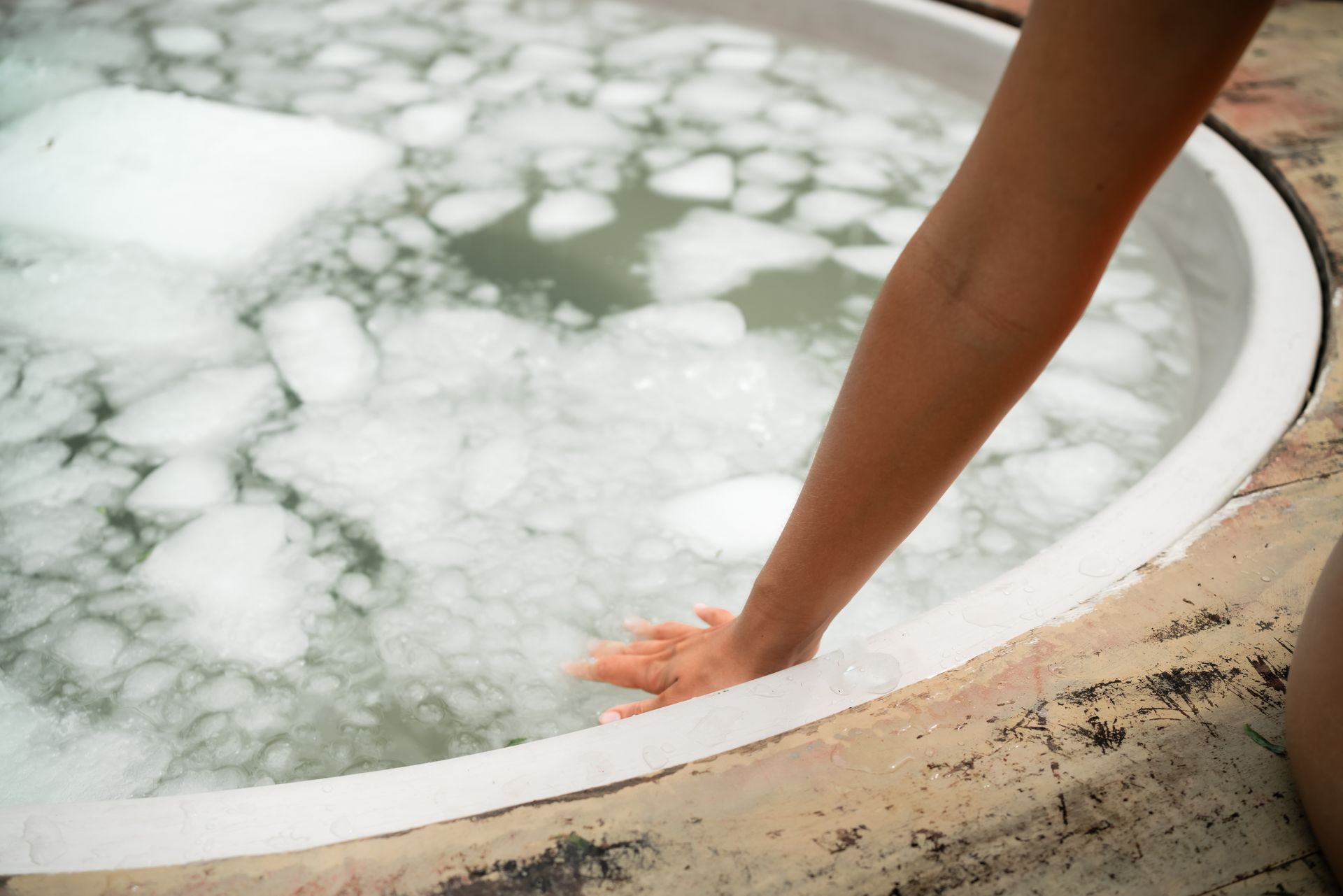
Contrast therapy sometimes called contrast water therapy (CWT) involves alternating between hot and cold immersion in a structured protocol. The most common format moves between a sauna or hot plunge (typically 70 90°C dry heat or 38 42°C water) and a cold plunge (10 15°C), with each phase lasting several minutes.
The practice has deep roots in Nordic and Finnish culture, where moving between heated saunas and cold lakes or snow has been part of everyday wellness culture for centuries. What's changed is the scientific understanding of why this practice produces such consistent, measurable benefits.
Modern sports medicine and physiological research has begun to map exactly what happens in the body during contrast therapy, and the findings support what cold-and-heat practitioners have reported experientially for generations: the combination is more powerful than either therapy alone.
The Physiology of Contrast: What's Actually Happening
The Vascular Pump
The most fundamental mechanism of contrast therapy is what physiologists call the 'vascular pump effect.' Heat causes vasodilation blood vessels expand, blood flow increases, heart rate rises, and the cardiovascular system works harder to circulate blood to the skin surface for cooling. Cold causes vasoconstriction blood vessels narrow, blood is driven toward the core organs, and metabolic processes slow.
By alternating between these two states, you're essentially pumping the circulatory system in a way that's impossible through rest alone. Each transition flushes metabolic waste from the tissues, delivers fresh oxygenated blood, and reduces the localised inflammation that causes soreness and fatigue.
The Hormonal Response
Research from Stanford's Lifestyle Medicine program found that cold water immersion triggers significant elevations in noradrenaline a stress hormone and neurotransmitter associated with focus, energy, and mood with levels increasing by up to 530% during immersion. Sauna exposure has been separately shown to trigger growth hormone release and cardiovascular adaptations similar to moderate exercise.
When combined in a contrast protocol, these responses don't simply add together they interact. The alternating physiological stress appears to enhance the body's hormetic response: the principle that controlled, brief doses of stress produce adaptation and resilience.
Heart Rate Variability
One of the most clinically significant benefits of regular contrast therapy is its effect on heart rate variability (HRV) a key measure of the balance between the sympathetic ('fight or flight') and parasympathetic ('rest and digest') branches of the autonomic nervous system. Higher HRV is consistently associated with better recovery, lower stress, improved sleep, and greater cardiovascular resilience.
Regular sauna use has been shown in Finnish population studies to be associated with significantly reduced cardiovascular mortality. Cold immersion research shows improvements in vagal tone the parasympathetic signal that governs calm and recovery. Contrast therapy may amplify both effects through the regular cycling between these two autonomic states.
The Evidence for Contrast Therapy Specifically
Recovery and Performance
A systematic review examining contrast water therapy across multiple sports found consistent evidence of reduced muscle soreness, faster restoration of power output, and lower perception of fatigue compared to passive recovery. For athletes with demanding training schedules particularly those competing in warm, humid conditions these outcomes represent a meaningful competitive and performance advantage.
A 2020 meta-analysis concluded that contrast therapy outperformed cold water immersion alone for reduction of delayed onset muscle soreness (DOMS) at 24 and 48 hours post-exercise suggesting that the heat component adds a meaningful additional dimension to recovery.
Mental Health and Stress
Beyond physical recovery, contrast therapy shows promising effects on psychological wellbeing. The combination of sauna-induced relaxation (mediated by endorphin release and muscle relaxation) and cold-induced noradrenaline surge creates a potent neurochemical environment that many practitioners describe as producing a more sustained and balanced mood lift than either therapy alone.
A 2021 study examining cold water immersion found significant improvements in tension, anxiety, and depressive symptoms after even brief exposures. Sauna research from Finland has shown regular use is associated with reduced risk of diagnosed depression. The contrast protocol appears to offer a particularly well-rounded approach to mood and stress management.
How to Structure Your Contrast Session
The Basic Protocol
Most research and practitioner guidance supports the following framework as a starting point for contrast therapy:
• Begin with heat: 10 15 minutes in a sauna (70 90°C) or hot plunge (38 42°C)
• Transition to cold: 2 4 minutes in a cold plunge (10 15°C)
• Return to heat: 5 10 minutes
• Repeat 2 3 cycles, finishing with cold for its alerting effect (or hot if you prefer a relaxed finish)
The entire session typically takes 30 60 minutes and requires no equipment beyond access to appropriate hot and cold immersion facilities.
Adapting for Beginners
If you're new to either sauna or cold plunge, start with one element at a time before combining them. Jumping straight into a full contrast protocol can be physiologically demanding, and the transition between extremes amplifies both the benefits and the initial discomfort. Most guided facilities will walk first-timers through a modified protocol that builds up gradually.
What Not to Do
Avoid contrast therapy if you have uncontrolled hypertension, heart conditions, or circulatory issues without first consulting your doctor. The cardiovascular demands of moving between thermal extremes are significant, and the practice is not suitable for everyone. Pregnant women and those with certain skin conditions should also seek medical advice before starting.
Contrast Therapy in Singapore: A Natural Fit
The irony of contrast therapy's rise in Singapore is that the very thing that makes it feel unusual the dramatic temperature shift is the reason it's particularly valuable here. Living and working in an air-conditioned tropical city means your body never experiences the natural thermal variation it evolved to handle. Contrast therapy offers a deliberate, structured way to restore that variability.
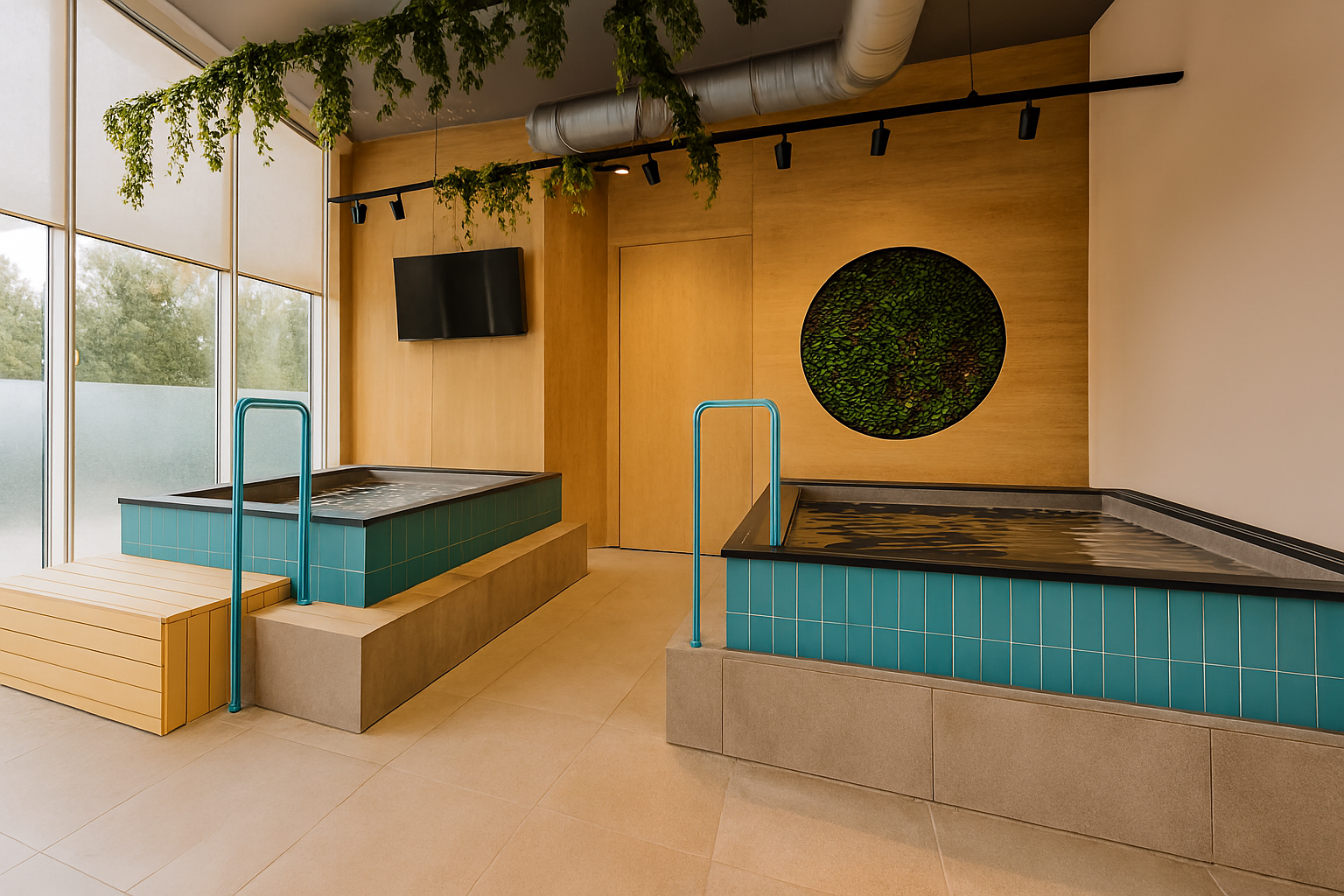
The best contrast therapy experiences aren't just about the temperatures they're about the environment. A thoughtfully designed space where the transition between heat and cold feels considered, guided, and social changes the experience from a physiological protocol into something that resembles what the Finns have always known: that intentional exposure to the elements, done well and done together, is one of the oldest and most effective forms of self-care.
The Bottom Line
Contrast therapy works because it engages the body as a whole system cardiovascular, hormonal, neurological rather than targeting a single pathway. The evidence base for its benefits across recovery, mood, cardiovascular health, and stress resilience is consistent and growing.
If you've been curious about cold therapy but unsure where to start, the contrast protocol offers something the ice bath alone doesn't: a full arc from deep warmth through intense cold and back again that feels less like a test of endurance and more like a complete reset. Heat, chill, repeat and see what happens when you let your body work the way it was designed to.