Cold Plunge After the Gym: Why Singapore's Fitness Community Is Recovering Smarter
Here's a question most gym-goers in Singapore never think to ask: what are you doing in the 30 minutes after your workout? For the majority of people, the answer is grabbing a protein shake, scrolling through their phone, and heading home. For a growing number of athletes and fitness enthusiasts across the island, the answer is getting into an ice bath.
Post-workout recovery has quietly become one of the most strategically important elements of any training programme. Sleep, nutrition, and rest are well understood. But cold water immersion properly applied after training is emerging as one of the most effective and time-efficient tools available for accelerating recovery, reducing soreness, and getting back to peak performance faster.
Here's what the science actually says, and why it matters for anyone serious about their training in Singapore.
What Happens to Your Muscles After Training
The Inflammatory Response
When you train hard whether it's lifting, running, football, or any other demanding activity you're creating microscopic tears in your muscle fibres. This is intentional damage: the body repairs these tears and builds back slightly stronger. The inflammation that follows is part of this repair process.
The problem is that excessive inflammation, particularly in tropical climates where the body's cooling systems are already taxed, can delay this repair process, cause significant next-day soreness, and compromise your performance in subsequent sessions. This is where cold water immersion offers a measurable advantage.
How Cold Water Changes the Recovery Equation
According to the Cleveland Clinic, cold water immersion causes vasoconstriction a narrowing of blood vessels that slows blood flow and reduces the swelling and localised inflammation responsible for delayed onset muscle soreness (DOMS).
When you exit the cold water, the body then triggers vasodilation a widening of the blood vessels as it warms back up. This flushing effect helps clear metabolic waste products from the muscles more efficiently than rest alone.
A 2021 study of collegiate soccer players found that cold water immersion effectively promoted post-sport recovery, with participants showing reduced markers of muscle damage and significantly faster restoration of sprint performance within 24 hours compared to passive recovery. For athletes with multiple training sessions or competitions per week, this 24-hour acceleration is genuinely significant.
The Evidence Across Different Sports
Endurance Athletes
Runners, cyclists, and triathletes have been using cold water immersion as part of structured recovery protocols for decades, often post-race or after high-intensity training blocks. Research published in the Journal of Physiology found that post-exercise cold water immersion reduced the perception of fatigue and helped maintain power output in subsequent training sessions.
For Singaporeans training for events like the Standard Chartered Singapore Marathon or competing in triathlon, the ability to maintain training quality across a dense training schedule is a meaningful competitive advantage.
Strength and Hypertrophy Training
It's worth flagging an important nuance here: if your primary goal is maximum muscle hypertrophy (growth), the research suggests being strategic about when you use cold water immersion. Some studies indicate that blunting the inflammatory response after strength training may slightly reduce the hypertrophic stimulus.
The current scientific consensus is that cold water immersion is most beneficial for recovery between sessions particularly for athletes doing repeated high-intensity bouts while those focused purely on muscle building may want to time their ice bath sessions away from the immediate post-lift window, or use cold therapy on rest days.
For general fitness goals and mixed training programmes, this distinction is largely academic. The recovery and wellbeing benefits far outweigh this consideration for the majority of recreational athletes.
Team Sports
Singapore's active football, rugby, and basketball communities are particularly relevant here. Team sport athletes face a specific recovery challenge: multiple high-intensity sessions per week, often with only 48 hours between them. Cold water immersion's proven ability to accelerate recovery within this 48-hour window makes it a practical tool for maintaining performance across a demanding competitive calendar.
The Practical Protocol: How to Use Cold Therapy for Recovery
Timing
Research generally supports immersion within 30 60 minutes post-exercise for optimal benefit. The anti-inflammatory effect is most pronounced in this immediate post-exercise window when blood flow to the muscles is elevated.
Temperature and Duration
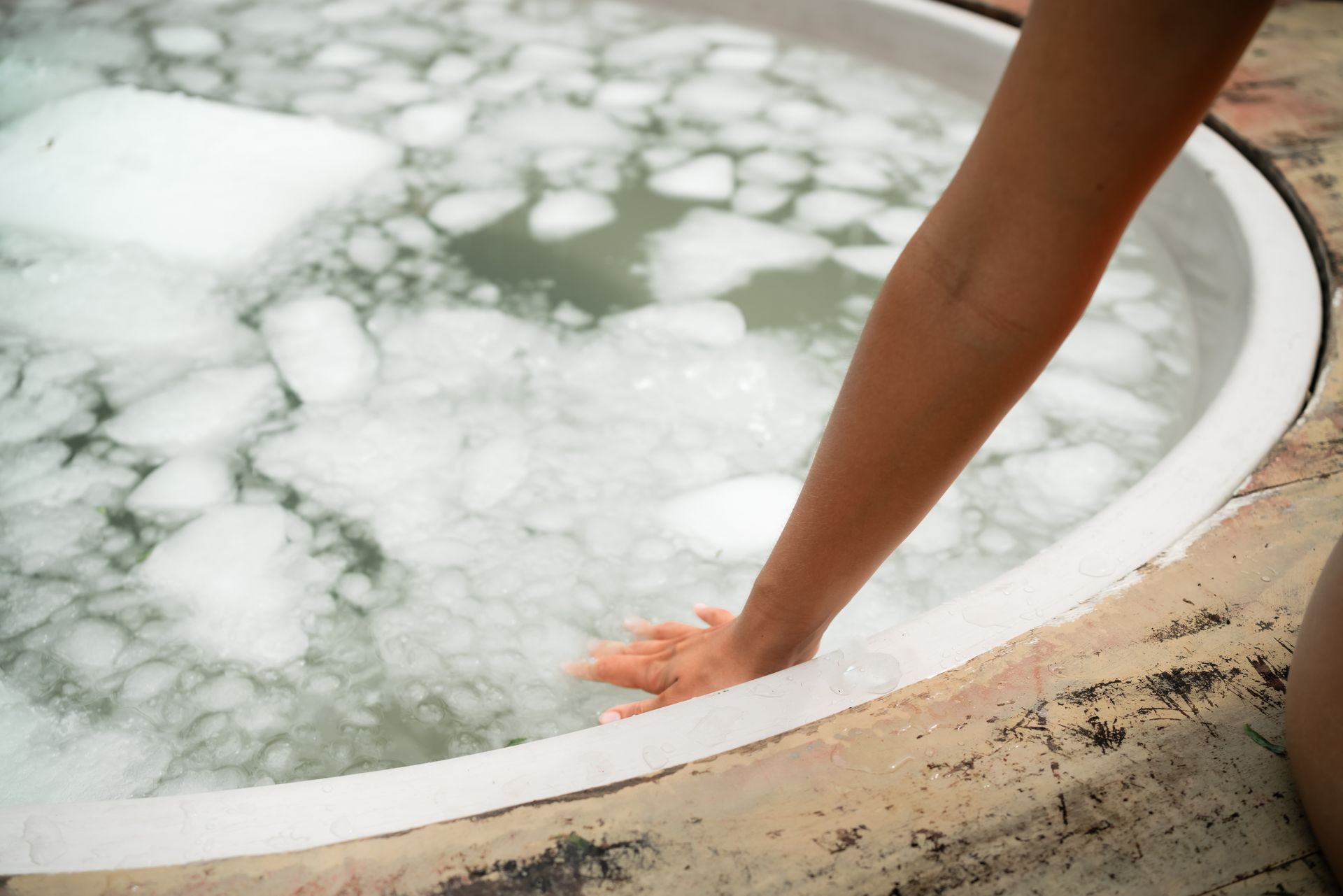
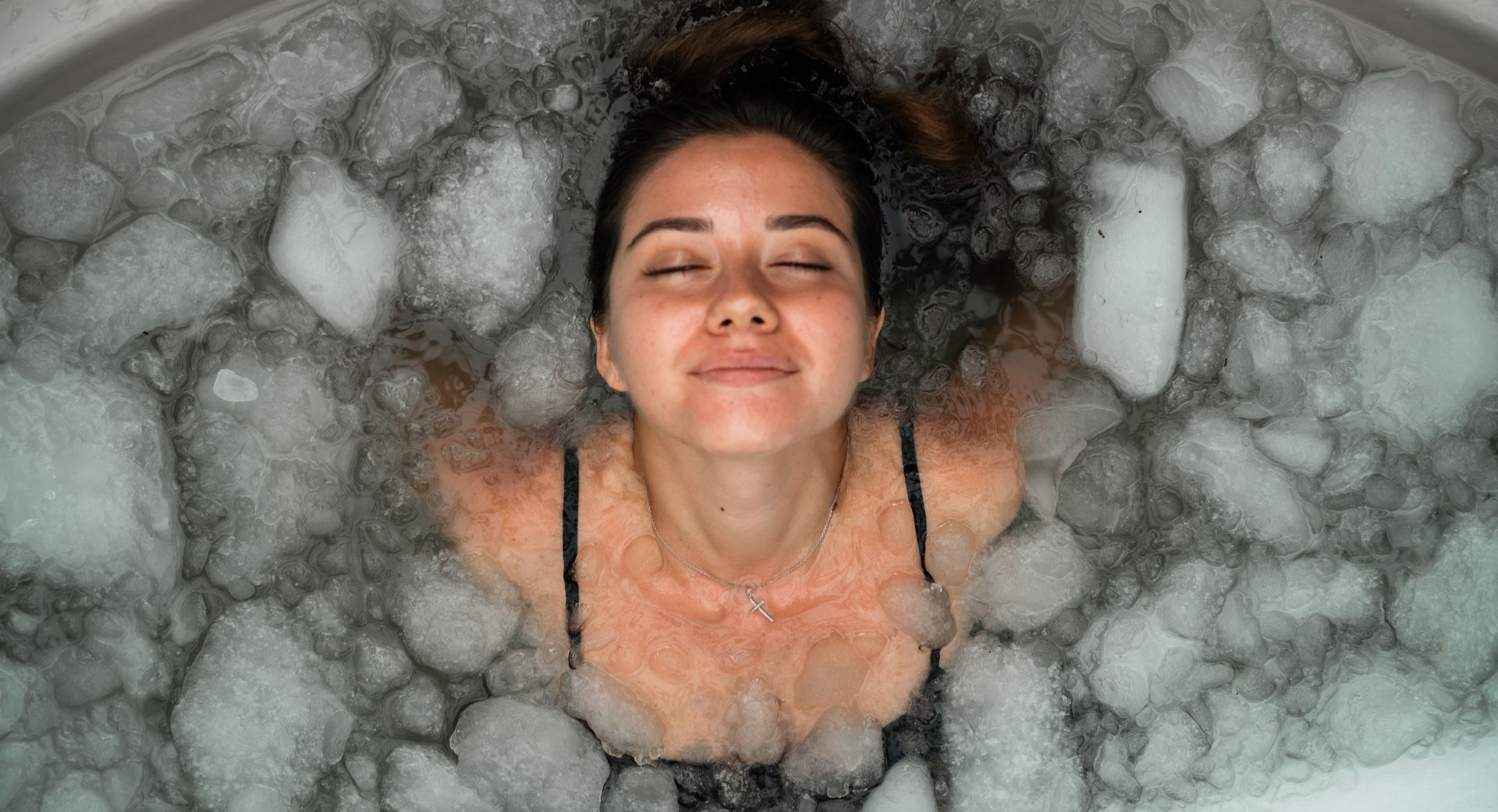
The Cleveland Clinic recommends 10 15°C for 2 5 minutes as a starting protocol for post-exercise recovery. This range is cold enough to trigger meaningful vasoconstriction and the associated recovery benefits without the risks associated with extremely cold temperatures.
For experienced cold plungers, sessions of up to 10 minutes may offer additional benefit, but the evidence suggests diminishing returns beyond this point. More sessions per week rather than longer individual sessions appears to be the more effective approach for ongoing training support.
Contrast Therapy: The Enhanced Option
Many sports medicine practitioners and elite recovery facilities now recommend contrast therapy alternating between hot and cold immersion as an enhanced recovery protocol. The cycling of vasoconstriction (cold) and vasodilation (heat) creates a pumping effect that may accelerate the clearance of metabolic waste products and reduce inflammation more effectively than cold alone.
Research on contrast therapy for sports recovery is promising, with several studies showing superior recovery outcomes compared to passive rest or cold immersion alone. This is why dedicated contrast therapy clubs pairing sauna with ice bath have become an increasingly common fixture in performance-oriented wellness spaces.
Why Singapore's Active Community Has Embraced Cold Recovery
Training in a tropical climate creates unique physiological demands. Your body's thermoregulatory systems are constantly active, and the combination of heat, humidity, and physical exertion creates a recovery burden that athletes in cooler climates simply don't face in the same way.
Cold water immersion doesn't just accelerate muscle recovery in this context it resets the body's thermal baseline, which can improve sleep quality, reduce cortisol, and help the body shift more effectively into the parasympathetic 'rest and recover' state that's essential for adaptation.
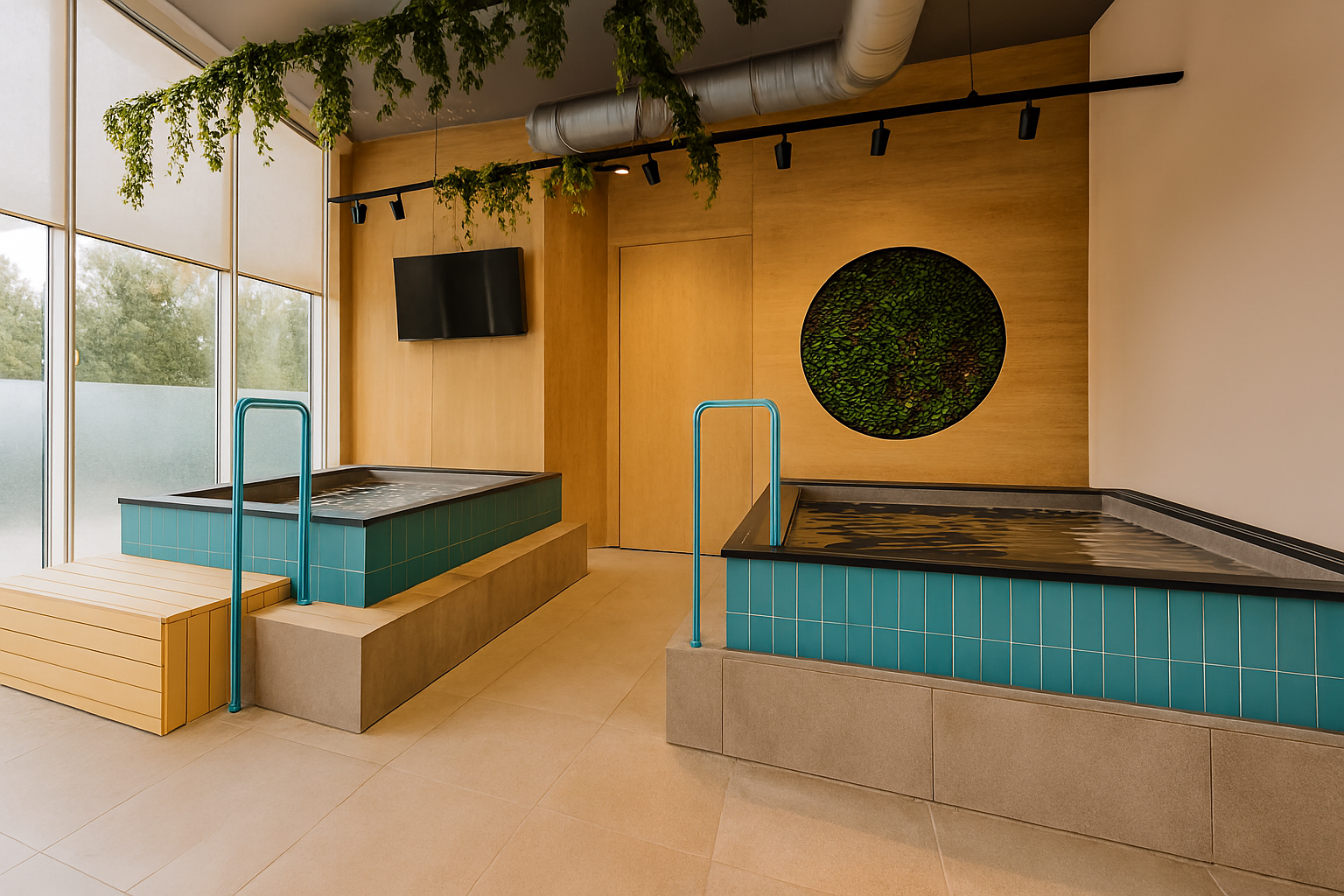
SoChill Bath Club's location in Holland Village has made it a natural post-training destination for the area's active community close enough to reach in the optimal recovery window, with the right temperature range and a supportive environment that makes the process both effective and sustainable as a habit.
Why Singapore's Active Community Has Embraced Cold Recovery
Training in a tropical climate creates unique physiological demands. Your body's thermoregulatory systems are constantly active, and the combination of heat, humidity, and physical exertion creates a recovery burden that athletes in cooler climates simply don't face in the same way.
Cold water immersion doesn't just accelerate muscle recovery in this context it resets the body's thermal baseline, which can improve sleep quality, reduce cortisol, and help the body shift more effectively into the parasympathetic 'rest and recover' state that's essential for adaptation.
SoChill Bath Club's location in Holland Village has made it a natural post-training destination for the area's active community close enough to reach in the optimal recovery window, with the right temperature range and a supportive environment that makes the process both effective and sustainable as a habit.
The Bottom Line
If you're training seriously or even semi-seriously and you're not incorporating cold water immersion into your recovery protocol, you're leaving performance on the table. The evidence for faster recovery, reduced muscle soreness, and maintained training quality across dense schedules is consistent and compelling.
For Singapore's fitness community, the case is even clearer. The combination of tropical climate recovery demands, the growing availability of purpose-built cold therapy facilities, and the time-efficiency of a 3 5 minute recovery intervention makes cold water immersion one of the most practical upgrades any active person can make to their training programme.
Train harder. Recover smarter. Take the plunge.